
2025 NYS Jury Duty Daily Rate Change
“For the first time in decades, the New York State Legislature and governor amended Sections 519 and 521 of the Judiciary Law, to increase the daily rate of pay for trial and grand jurors serving in New York State, from $40 to $72. This amendment was enacted through the New York State Budget for fiscal year 2025-2026, which was signed into law on May 9, 2025. Accordingly, as of June 8, 2025, most employers with 11 or more employees must pay their employees who are absent for jury duty at a daily rate of $72 for the first three days of jury duty…As a reminder, employers are also required to comply with Section 519 of the Judiciary Law, which provides that “any person who is summoned to serve as a juror [] and who notifies their employer to that effect prior to the commencement of a term of service shall not, on account of absence from employment by reason of such jury service, be subject to discharge or penalty.”
Pursuant to Section 750 of the Judiciary Law, an employer may be “punish[ed] for a criminal contempt” if they are found guilty of “subjection of an employee to discharge or penalty on account of his absence from employment by reason of jury or subpoenaed witness service.” Section 751 of the Judiciary Law provides that such punishment may be by fine, up to $1,000, or by imprisonment for up to 30 days, or both….If an employer has questions about its obligations to an employee when it receives notice that its employee has been summoned to serve as a juror or witness, please contact counsel.” https://www.jdsupra.com/legalnews/nys-legislature-increases-daily-jury-1498682/
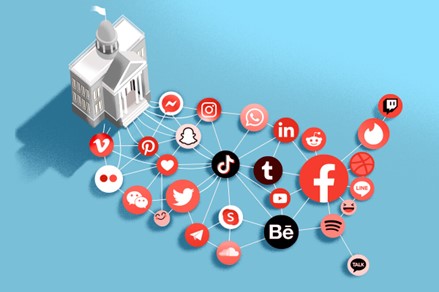
And now social media…
Social media in the workplace and outside of the workplace can be a complicated area for employers to manage, if we see certain posts by employees. Is an employee protected if the post disparaging content about an employer or another employee on social media? It depends on the post. Employees are free to complain about terms and conditions of employment under Section 7 of the National Labor Relations Act (Wagner Act). Under the Trump Administration and National Labor Relations Board (NLRB), some of the broad Section 7 social media content is being reduced, pro-employer rules on social media content. However, the employee still has a protected right to complain or discuss terms and conditions of employment (wages, benefits, working conditions, hours of work, seniority, safety issues, grievance and arbitration process, leave of absence, performance reviews, respect, integrity and culture issues) on social media, “water cooler talk.” With the NLRB turnover, expect changes to current policy expectations and rules at the federal level, which can and will vary from state or local level.
Creating a Workplace Culture:
- Eliminate the Need to Complain on social media: Create a culture that there is an open channel of communication and employees have the opportunity to ask questions and discuss concerns with leadership.
- Social Media Compliance Policy: The policy needs to clearly communicate anti-harassment, anti-discrimination, anti-bullying, sexual harassment, retaliation, etc. The policy should also include a social media use policy in the workplace. The policy cannot be overly broad; this can impact employee’s Section 7 rights. As social media evolves, so should our policies. I’m happy to work on a policy for any organization.
- Create a Culture: A safe and open workplace that encourages employees to speak about any aspect of the work environment. Not only a safe and open workplace, but a workplace that closes the loop on communication and concerns are addressed with follow-up back to the employee. Internal complaint procedures (required in New York State for sexual harassment), whistleblower hotlines/policy, supervisor training and an active HR department are suggestions to build a culture such as this.
- Training & Awareness: Writing policies is great, I see misses on setting the expectation, training and being consistent with expectations throughout the organization. What does leadership need to understand and what do the employees need to understand? Are we consistent? Have we communicated the policies, rules and expectations? Do we need an annual training or reminder?
These are a few suggestions for improving an organization and being consistent with a social media policy in the workplace. Have the social media policy reviewed prior to implementation in the workplace, once it is implemented, communicate and train employees on the new policy.
New York Labor Law Section 201-d:
This labor law prohibits employers from refusing to hire individuals because of lawful; off-duty recreational activities. What does this mean for our organizations? If you review social media or conduct Google searches on applicants prior to the making an offer, be aware of this law. Social media reviews or research can lead to bias decision making.
“What to Include
Alexiou recommends that social media policies include the following elements:
- Roles. Identify the two main roles of employees on social media: official and unofficial. Make it clear that only the former can speak on behalf of the company.
- Acceptable conduct and content. What can and can’t your employees post online? For example, employees must be respectful of others, be honest and transparent about their role, maintain workplace confidentiality, and so on. Prohibit online spats about the company and inflammatory or disrespectful language.
- Regulations, legal restrictions and sensitive information. Make sure your employees are fully aware of the kinds of content they can and cannot post per industry regulations.
- Procedure for conflict or crisis. Make it clear what your employees should do in these situations, including who they should reach out to for guidance and under what circumstances.
- Call to action for participation. Explain that their participation in social media can help them build their personal brand, help the company recruit top talent, and drive the company’s sales and marketing activities. Encourage your employees to share why they enjoy working for you, how they feel supported by their manager or mentor, and customer testimonies about how your product or service impacted their life.
Arkansas: Prohibits employers from suggesting that an employee should disclose his or her social media username and password, add the employer as a social media contact, or change his or her social media privacy settings (2013).
California: Prohibits employers from requiring or requesting employees or applicants to disclose their username or password for their social media account and also prohibits employers from requiring the employee or applicant access his or her social media account in the presence of the employer. However, employers may make a reasonable request that an employee divulge personal social media account information, as is relevant to an investigation of employee misconduct (2012).
Colorado: Prohibits employers from requiring an employee or applicant to disclose a username, password or other means of accessing a personal account, unless an employer is conducting an investigation for legal compliance purposes (2013).
Connecticut: Prohibits an employer from requiring or requesting an employee or applicant to provide it with a username and password or to access a personal online account in the presence of the employer (effective Oct. 1, 2015).
Illinois: Bars employers from demanding employees or applicants reveal their usernames or passwords linked to social networking sites; also prohibits employers from forcing employees to display their social networking profiles for review (2012).
Louisiana: Employers cannot require prospective or current employees to disclose their username, password, or other login information that allows access to or observation of personal social media accounts (2014).
Maryland: Prohibits employers from requesting or requiring the disclosure of usernames or passwords to personal social media accounts and prohibits employers from taking or threatening to take any disciplinary action against employees or applicants who refuse to disclose such information (2012).
Michigan: Prohibits employers from asking for an employee’s or applicant’s personal Internet account information; does not prohibit an employer from conducting a work-related investigation into activity on an employee’s personal Internet account (2012).
Montana: Prohibits an employer from requiring or requesting an employee or applicant to disclose a username or password, access social media in the presence of the employer, or divulge information in a social media account as a condition of employment (2015).
Nevada: Prohibits employers from requiring access to an employee’s social media account as a condition of employment (2013).
New Hampshire: Employers cannot require prospective or current employees to disclose their username, password or other login information for personal social media accounts (2014).
New Jersey: Employers cannot require prospective or current employees to disclose their username, password or other means for accessing an electronic account or service (2013).
New Mexico: Employers are prohibited from requesting or requiring that prospective employees provide passwords or access to their social networking accounts (2013).
Oklahoma: Employers cannot require prospective or current employees to disclose their username, password or other login information to personal social media accounts or require prospective or current employees to log in to personal social media accounts in the presence of the employer (2014).
Oregon: It is unlawful for an employer to request that an employee or applicant disclose his or her username and password or add the employer to his or her list of contacts (2013).
Rhode Island: Employers cannot require or request prospective or current employees to disclose personal social media account information (2014).
Tennessee: Employers cannot require or request prospective or current employees to disclose login information to personal social media accounts or require prospective or current employees to log in to personal social media accounts in the presence of the employer (2015).
Utah: Generally prohibits employers from requesting information related to personal Internet accounts, including usernames and passwords; allows employers to investigate specific information on the employee’s personal Internet account to ensure compliance with certain laws (2013).
Virginia: Prohibits employers from requiring prospective or current employees to disclose the username and password to their social media accounts (effective July 1, 2015).
Washington: Prohibits employers from requesting personal social networking account login information from employees or applicants; allows employers to require disclosure of employees’ social media content in situations where necessary to comply with a federal law (2013).
Wisconsin: Employers cannot require or request prospective or current employees to disclose login information to personal social media accounts, or require prospective or current employees to allow employers to observe their personal social media account in the employer’s presence (2014).” (SHRM)

 BURR CONSULTING, LLC