
A Few Signs of Burnout
Common indicators of burnout include:
- Decreased performance and productivity
- Increased absenteeism
- Emotional outbursts or negative interactions
- Cynicism or detachment from work
As we all know and understand, workplace burnout can be a significant issue in any of our organizations and throughout the workforce. How do we help solve this common problem? What opportunities can we offer to employees to reduce workplace burnout? Lead by example and set the tone at the top of the organization to counter workplace burnout, while ensuring employee commitment and engagement.
My 6 recommendations on countering workplace burnout:
- Prioritize Your Health: This is a challenge for all of us, with long workdays and challenging work schedules (electronic responses late night). Look for opportunities to reduce stress and recognize when it is time to turn it off. Eat healthy, exercise regularly (I work out at 5am most mornings, it is a great way to start the day), get a full night’s sleep (turn the TV off and other technology early) and meditate or find alternatives to reduce stress. Developing disciplined and healthy habits will help you develop a routine; health should be a priority for all of us; I learned this the hard way.
- Compassion: We all have different workstyles and how we personally handle stress and burnout. Recognize your own signs when work and life are too much, know that it is okay to take a break and rejuvenate for a few days. Know when employees in the organization are burning out and ask them to take a break. Burnout isn’t a personal failure, its simply time for a break. Make the break a priority.
- Set the Tone at the Top: Some of you have seen emails from me at 3am (or earlier), this is an area where I need to heed my own advice. Set a good example as leaders in the organization and know when a break is needed and when to turn off the technology. Encourage employees to take downtime and focus on life, not work.
- The Why: Have a true understanding of the reasons your organization or you personally are having workplace burnout. Is there anything we need to change as an organization? Is there anything I need to change? Can we do 4-day work weeks in the summer? Ask for feedback from the workforce and actively listen. Make the necessary changes to avoid burnout within yourself and your workforce.
- Vacation & PTO Days: We have vacation and PTO days as a benefit in most organizations for a reason. Use the days granted by the organization and understand the value of using vacation and PTO days. Encourage subordinates to use these days as well and enforce the no technology usage on vacation policy. It is necessary to unplug, I still have not learned this.
- Learn to Unplug: I will call myself a hypocrite with this recommendation. I have not learned how to unplug as of yet, but I am working on it! Technology controls the way we communicate and how we run our organizations. We have the ability to have instant access to information and need it to make effective and sound decisions. Turning off the technology is not a bad thing; it provides the break we all need. Learn how to unplug, even if it is only checking messages once a day on vacation (let’s see how well I am following my own advice). I was in Yellowstone National Park, so cellphone service was sporadic at best, which helped me turn off the technology for a while.
These are a just a few thoughts I have had as I reflect back on a busy first half of 2025 and recognize areas I need to personally improve on work-life balance, while learning to unplug. We all work differently, find the balance between life and work that is effective for you and your organizations. Taking a break is not failing, it is recognizing your mind, body and spirit need to do something different or do nothing at all for a few days. Enjoy the summer.
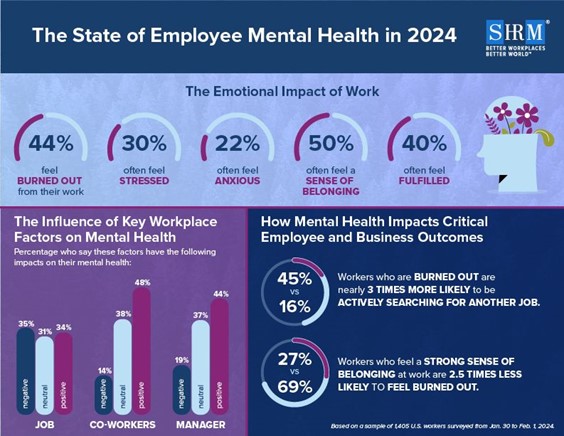

Strategies to Address and Prevent Burnout
- Foster a Culture of Wellbeing:
- Make employee wellbeing a core part of organizational culture, not just an HR initiative.
- Encourage work-life balance by promoting reasonable hours, flexible schedules, and the use of vacation time
- Equip Managers to Support Employees:
- Train managers to set clear expectations, provide regular feedback, and remove barriers to success.
- Encourage open communication and regular check-ins to identify stressors early
- Promote Mental Health Awareness:
- Offer mental health resources, such as confidential counseling or workshops on stress management.
- Normalize discussions about mental health to reduce stigma
- Recognize and Reward Employees:
- Provide rewards that show appreciation for employees as individuals, not just for their performance. This could include gift cards, extra time off, or public recognition
- Improve Workload Management:
- Use tools to optimize scheduling and ensure adequate staffing levels.
- Avoid last-minute changes that create unnecessary stress
- Leverage Technology for Insights:
- Tools like Deloitte’s “Vitals” dashboard can help monitor employee workloads and identify early signs of burnout. Such systems enable proactive interventions
- Create a Positive Work Environment:
- Encourage collaboration, fairness, and respect among team members.
- Adjust environmental factors like noise levels, lighting, and seating arrangements to enhance comfort (You.com)
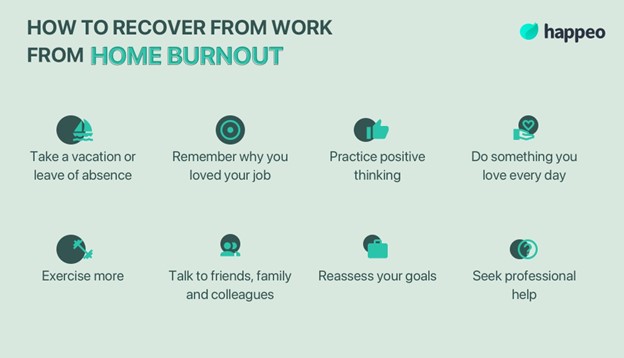
NYC ESSTA Rules Incorporating Prenatal Leave
The New York City Department of Consumer and Worker Protection issued amended rules on May 30, 2025, formally incorporating the state prenatal leave requirement into ESSTA. Changes and obligations related to prenatal leave, which are effective July 2, 2025, include:
Policy Requirements
The obligation to promulgate and distribute a policy related to ESSTA is expanded to require that such policy address paid prenatal leave entitlements. Under the rules, employers must distribute their written safe and sick time and paid prenatal leave policies to employees personally upon hire and within 14 days of the effective date of any policy changes and upon an employee’s request.
In essence, all NYC employers have an obligation to modify their current policy and reissue the revised policy to current employees.
Employee Notice of Rights, Posting
The Department also issued an updated Notice of Employee Rights that includes paid prenatal leave. The updated notice must be provided to new hires and to current employees when rights change (which is the case here), and employers must maintain a record of receipt by the employee. The notice also must be posted.
All NYC employers have an obligation to modify the notice required for new hires and reissue the notice to current employees.
Paystub Requirement
For each pay period in which an employee uses prenatal leave, the following information must be clearly documented on pay stubs or other documentation provided to the employee, such as a pay statement:
- The amount of paid prenatal leave used during the pay period; and
- Total balance of remaining paid prenatal leave available for use in the 52-week period.
Takeaways
- Changes to NYC’s paid prenatal leave requirement take effect 07.02.25.
- They incorporate and enhance NYS prenatal leave protections that went into effect at the beginning of this year.
- NYC employers should understand their obligations and implement the changes to policies, notices, and recordkeeping.
Related links
- New York State Paid Prenatal Leave Frequently Asked Questions
- New York City Paid Safe and Sick Leave Frequently Asked Questions
- New York City Notice of Employee Rights: Safe and Sick Leave
- NYS Paid Prenatal Leave: Employers Must Manage a New Entitlement in the New Year
NYS Paid Prenatal Leave Rights
Since Jan. 1, 2025, all private-sector employers in New York have been required to provide up to 20 hours of paid prenatal leave in a 52-week period to eligible employees, regardless of company size. The 52-week leave period starts on the first day the prenatal leave is used.
The prenatal leave entitlement is in addition to the statutory sick leave entitlement and other paid time off benefits provided by company policy or applicable law, and it applies only to employees receiving prenatal healthcare services, such as medical exams, fertility treatments, and end-of-pregnancy appointments. Spouses, partners, or support persons are not eligible to use prenatal leave.
Employers cannot force employees to use other leave first or demand medical records or confidential health information to approve prenatal leave requests. (See NYS Paid Prenatal Leave: Employers Must Manage a New Entitlement in the New Year.) (Jackson Lewis)

 BURR CONSULTING, LLC