Always opportunity to continue to build culture, strategy and partnerships.
Benefits for Employers
1. Harnessing AI to Revolutionize HR
AI Strategy: HR leaders are expected to craft and implement a clearly defined, HR-focused AI strategy. This includes leveraging AI for talent management, recruitment, and employee experience, while ensuring ethical and responsible use
AI’s Impact on Work: There is a strong emphasis on taking an enterprise-wide view of AI’s impact, not just on processes but also on how it changes leadership roles, employee expectations, and organizational culture
AI Agents: The adoption of AI agents is already transforming HR, making it crucial for HR consultants to guide organizations through this technological shift
2. Adapting to Shifting Talent Models
Agile, Multidisciplinary Teams: Organizations are moving away from traditional HR structures, forming agile pods that focus on priority areas such as onboarding redesign, retention improvement, and leadership pipeline development
Talent Flexibility: HR must help organizations adapt to new talent models, including gig work, remote/hybrid arrangements, and skills-based hiring
3. Driving Organizational Culture and Change
Culture Evolution: As AI and new talent models disrupt the workplace, evolving organizational culture to support performance, innovation, and adaptability is a top priority
Well-being, Fairness, and Trust: Employees expect organizations to prioritize well-being, fairness, and trust. HR consultants must help leaders balance innovation with a people-first approach
4. Building Alignment, Adaptability, and Trust
Strategic Alignment: HR must ensure that people strategies are tightly aligned with business goals, especially as organizations navigate rapid change
Adaptability: Helping organizations remain agile and responsive to market signals, regulatory changes, and workforce expectations is essential
Trust: Maintaining trust, especially as AI and automation increase is critical for employee engagement and retention
5. Supporting Leadership and Employee Experience
Leadership Development: There is a renewed focus on developing leaders who can manage change, inspire teams, and drive transformation
Employee Experience: HR must continue to enhance the employee experience, from onboarding to career development, ensuring that technology enhances rather than detracts from human connection
In light of recent unfortunate events at a Coldplay Concert, when a CEO and HR Director were caught on a camera moment, ducking and hiding away from the media. Dating in the workplace is common, every organization should have parameters in place to ensure expectation is set, consequences and clear ethical guidelines are in place. We have all seen the fallout from the recent events at the Coldplay Concert, the CEO resigns, the HR Director is under investigation and internal workplace ethical credibility is gone. Ethics starts at the top of the organization, if we don’t follow the mission, vision, values and code of ethics in the organization, why should we expect the workforce to follow anything? Setting the tone at the top helps drive, culture, communication, internal equity, transparency, trust and open communication throughout the organization.
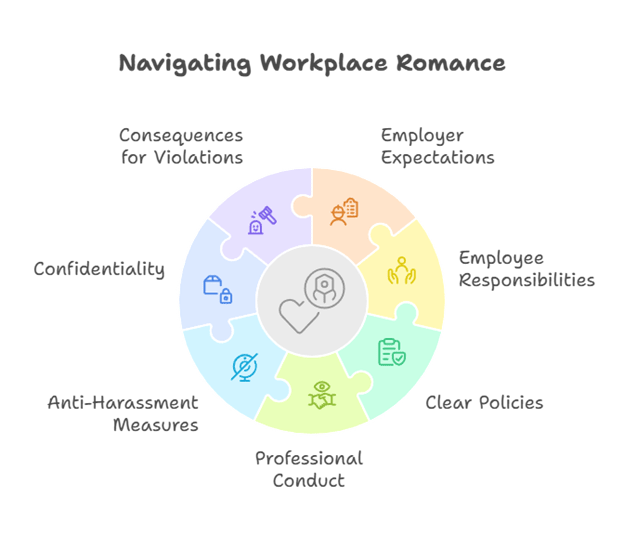
Dating in the workplace is a common occurrence, given how much time employees spend together. However, it brings unique challenges and risks that employers must address to maintain a professional, safe, and productive environment.
1. Clear Policies and Guidelines Employers are increasingly expected to have clear, written policies regarding workplace relationships. These policies typically outline:
Disclosure Requirements: Many employers require employees to disclose romantic relationships, especially if there is a reporting relationship or potential conflict of interest. Disclosure allows the employer to manage risks, such as favoritism or conflicts, and to make adjustments if necessary (e.g., changing reporting lines).
Prohibited Relationships: Most policies explicitly prohibit relationships between managers and their direct reports to avoid power imbalances and perceptions of favoritism or coercion.
Consensual Relationships: Employers emphasize that all relationships must be consensual and free from any form of harassment or coercion. Some require both parties to sign a consensual relationship agreement.
2. Professional Conduct Employers expect employees to maintain professionalism at all times, which includes:
No Public Displays of Affection (PDA): Employees are expected to refrain from PDA or any behavior that could make colleagues uncomfortable.
No Favoritism: Employees should avoid any actions that could be perceived as favoritism or bias due to their relationship.
Maintaining Boundaries: Personal issues should not spill over into the workplace. If a relationship ends, both parties are expected to remain professional and not disrupt the work environment.
3. Anti-Harassment and Complaint Procedures Employers are required to have robust anti-harassment policies and complaint procedures:
Sexual Harassment Training: Regular training is expected, especially for supervisors, to ensure everyone understands what constitutes harassment and how to report it.
Multiple Reporting Channels: Employees should have several avenues to report inappropriate conduct, not just through their direct supervisor.
Prompt Investigation: Employers are expected to investigate complaints thoroughly and impartially, taking corrective action if necessary.
4. Confidentiality and Non-Retaliation
Confidentiality: Employers stress the importance of keeping personal relationships and related information confidential to protect privacy and prevent gossip.
Non-Retaliation: Employees must be protected from retaliation if they report concerns or end a relationship.
5. Consequences for Policy Violations Violating workplace dating policies can result in disciplinary action, including reassignment or termination, depending on the severity of the infraction.
Key Takeaways for Employees
Know Your Company’s Policy: Always check your employee handbook or consult HR before starting a workplace relationship.
Disclose When Required: If your company requires disclosure, do so promptly to avoid potential disciplinary action.
Maintain Professionalism: Keep your relationship separate from your work life, avoid PDA, and treat your partner and colleagues equally.
Understand the Risks: Be aware that workplace relationships can lead to gossip, perceptions of favoritism, and complications if the relationship ends.
Seek Support if Needed: If you experience harassment or retaliation, use the reporting channels provided by your employer.
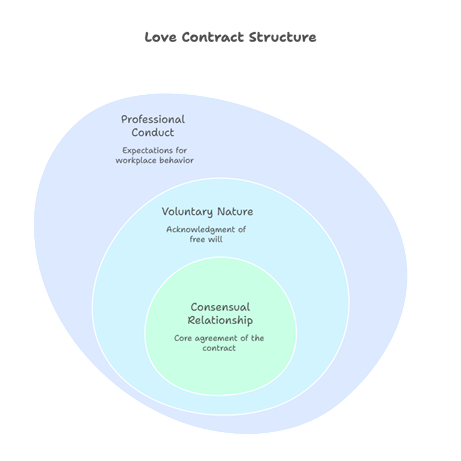
What Are Love Contracts? A love contract—also known as a consensual relationship agreement—is a voluntary document signed by two employees who are in a romantic relationship at work. The contract typically acknowledges that the relationship is voluntary and consensual, and it often outlines expectations for professional conduct in the workplace
Why Employers Use Love Contracts
Legal Protection: Love contracts are primarily used to protect employers from potential legal claims, especially those related to sexual harassment or favoritism. By having both parties acknowledge the consensual nature of the relationship, employers can reduce the risk of later claims that the relationship was unwelcome or coerced
Clarifying Boundaries: These agreements help clarify how the romantic relationship will (and will not) affect the working relationship, which can be especially important if one party supervises the other
Managing Breakups: In the event of a breakup, a love contract can help smooth the transition and set expectations for continued professionalism
When Are Love Contracts Used? Love contracts are most commonly used when a workplace romance involves a manager and a subordinate, as this dynamic poses the greatest risk for claims of harassment or favoritism. Most companies do not require love contracts for relationships between employees at the same level.
Ethics in the Workplace Leadership ethics in the workplace refers to the practice of leaders making decisions and guiding their teams based on moral principles and values, rather than just focusing on profits or personal gain. Ethical leadership is about doing the right thing for the common good, considering the needs of employees, customers, communities, and the organization as a whole.
Core Principles of Ethical Leadership Ethical leadership is built on several foundational principles:
Respect: Ethical leaders value the skills and contributions of others, fostering mutual respect rather than demanding it one-way. This creates healthier workplace relationships and a positive environment
Accountability: Leaders hold themselves responsible for their actions, lead by example, and communicate openly about challenges without shifting blame
Service: Ethical leaders prioritize the well-being of employees, customers, and the community, often engaging in charitable activities and encouraging their teams to do the same
Honesty and Transparency: Open and honest communication builds trust within the organization and with customers, even when addressing difficult or unpopular issues
Justice and Fairness: Ethical leaders ensure fair treatment for everyone, striving for equity and inclusion in decision-making
Community: They view the organization as a community, considering the impact of decisions on all stakeholders and promoting collaboration
A helpful framework for remembering these principles is the acronym FATHER: Fairness, Accountability, Trust, Honesty, Equality, and Respect.
Why Leadership Ethics Matter
Ethical leadership has significant benefits for organizations:
Improved Workplace Culture: Ethical leaders inspire trust, psychological safety, and a sense of belonging, leading to higher employee morale and engagement
Attracting and Retaining Talent: Employees, especially younger generations like Gen Z, are drawn to organizations with strong ethical values and are more likely to stay with such companies
Customer Loyalty: Consumers increasingly prefer to support businesses that demonstrate ethical practices and social responsibility
Long-Term Success: Ethical leadership helps prevent scandals and fosters sustainable growth by building loyal partnerships, customers, and employees
What Should Employers Consider?
Reporting Requirements: Love contracts usually require employees to report their relationship to HR, and also to notify HR if the relationship ends
Favoritism Concerns: Even with a love contract, employers must be vigilant about potential claims of favoritism or discrimination from other employees.
Policy Integration: Love contracts should be part of a broader workplace romance policy that addresses reporting, confidentiality, and professional conduct.
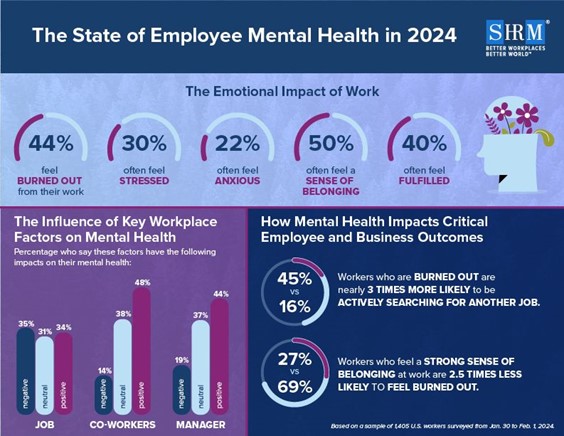
As we all know and understand, workplace burnout can be a significant issue in any of our organizations and throughout the workforce. How do we help solve this common problem? What opportunities can we offer to employees to reduce workplace burnout? Lead by example and set the tone at the top of the organization to counter workplace burnout, while ensuring employee commitment and engagement.
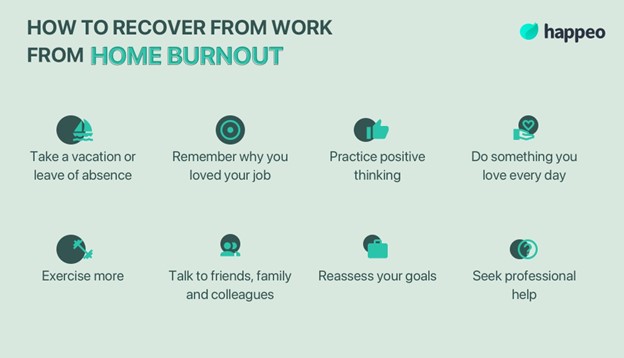
My 6 recommendations on countering workplace burnout:
Prioritize Your Health: This is a challenge for all of us, with long workdays and challenging work schedules (electronic responses late night). Look for opportunities to reduce stress and recognize when it is time to turn it off. Eat healthy, exercise regularly (I work out at 5am most mornings, it is a great way to start the day), get a full night’s sleep (turn the TV off and other technology early) and meditate or find alternatives to reduce stress. Developing disciplined and healthy habits will help you develop a routine; health should be a priority for all of us; I learned this the hard way.
Compassion: We all have different workstyles and how we personally handle stress and burnout. Recognize your own signs when work and life are too much, know that it is okay to take a break and rejuvenate for a few days. Know when employees in the organization are burning out and ask them to take a break. Burnout isn’t a personal failure, its simply time for a break. Make the break a priority.
Set the Tone at the Top: Some of you have seen emails from me at 3am (or earlier), this is an area where I need to heed my own advice. Set a good example as leaders in the organization and know when a break is needed and when to turn off the technology. Encourage employees to take downtime and focus on life, not work.
The Why: Have a true understanding of the reasons your organization or you personally are having workplace burnout. Is there anything we need to change as an organization? Is there anything I need to change? Can we do 4-day work weeks in the summer? Ask for feedback from the workforce and actively listen. Make the necessary changes to avoid burnout within yourself and your workforce.
Vacation & PTO Days: We have vacation and PTO days as a benefit in most organizations for a reason. Use the days granted by the organization and understand the value of using vacation and PTO days. Encourage subordinates to use these days as well and enforce the no technology usage on vacation policy. It is necessary to unplug, I still have not learned this.
Learn to Unplug: I will call myself a hypocrite with this recommendation. I have not learned how to unplug as of yet, but I am working on it! Technology controls the way we communicate and how we run our organizations. We have the ability to have instant access to information and need it to make effective and sound decisions. Turning off the technology is not a bad thing; it provides the break we all need. Learn how to unplug, even if it is only checking messages once a day on vacation (let’s see how well I am following my own advice). I was in Yellowstone National Park, so cellphone service was sporadic at best, which helped me turn off the technology for a while.
These are a just a few thoughts I have had as I reflect back on a busy first half of 2025 and recognize areas I need to personally improve on work-life balance, while learning to unplug. We all work differently, find the balance between life and work that is effective for you and your organizations. Taking a break is not failing, it is recognizing your mind, body and spirit need to do something different or do nothing at all for a few days. Enjoy the summer.
Strategies to Address and Prevent Burnout
Foster a Culture of Wellbeing:
Make employee wellbeing a core part of organizational culture, not just an HR initiative.
Encourage work-life balance by promoting reasonable hours, flexible schedules, and the use of vacation time
Equip Managers to Support Employees:
Train managers to set clear expectations, provide regular feedback, and remove barriers to success.
Encourage open communication and regular check-ins to identify stressors early
Promote Mental Health Awareness:
Offer mental health resources, such as confidential counseling or workshops on stress management.
Normalize discussions about mental health to reduce stigma
Recognize and Reward Employees:
Provide rewards that show appreciation for employees as individuals, not just for their performance. This could include gift cards, extra time off, or public recognition
Improve Workload Management:
Use tools to optimize scheduling and ensure adequate staffing levels.
Avoid last-minute changes that create unnecessary stress
Leverage Technology for Insights:
Tools like Deloitte’s “Vitals” dashboard can help monitor employee workloads and identify early signs of burnout. Such systems enable proactive interventions
Create a Positive Work Environment:
Encourage collaboration, fairness, and respect among team members.
Adjust environmental factors like noise levels, lighting, and seating arrangements to enhance comfort (You.com)
NYC ESSTA Rules Incorporating Prenatal Leave
The New York City Department of Consumer and Worker Protection issued amended rules on May 30, 2025, formally incorporating the state prenatal leave requirement into ESSTA. Changes and obligations related to prenatal leave, which are effective July 2, 2025, include:
Policy Requirements
The obligation to promulgate and distribute a policy related to ESSTA is expanded to require that such policy address paid prenatal leave entitlements. Under the rules, employers must distribute their written safe and sick time and paid prenatal leave policies to employees personally upon hire and within 14 days of the effective date of any policy changes and upon an employee’s request.
In essence, all NYC employers have an obligation to modify their current policy and reissue the revised policy to current employees.
Employee Notice of Rights, Posting
The Department also issued an updated Notice of Employee Rights that includes paid prenatal leave. The updated notice must be provided to new hires and to current employees when rights change (which is the case here), and employers must maintain a record of receipt by the employee. The notice also must be posted.
All NYC employers have an obligation to modify the notice required for new hires and reissue the notice to current employees.
Paystub Requirement
For each pay period in which an employee uses prenatal leave, the following information must be clearly documented on pay stubs or other documentation provided to the employee, such as a pay statement:
The amount of paid prenatal leave used during the pay period; and
Total balance of remaining paid prenatal leave available for use in the 52-week period.
Takeaways
Changes to NYC’s paid prenatal leave requirement take effect 07.02.25.
They incorporate and enhance NYS prenatal leave protections that went into effect at the beginning of this year.
NYC employers should understand their obligations and implement the changes to policies, notices, and recordkeeping.
Since Jan. 1, 2025, all private-sector employers in New York have been required to provide up to 20 hours of paid prenatal leave in a 52-week period to eligible employees, regardless of company size. The 52-week leave period starts on the first day the prenatal leave is used.
The prenatal leave entitlement is in addition to the statutory sick leave entitlement and other paid time off benefits provided by company policy or applicable law, and it applies only to employees receiving prenatal healthcare services, such as medical exams, fertility treatments, and end-of-pregnancy appointments. Spouses, partners, or support persons are not eligible to use prenatal leave.
Organizations large and small are challenged with the right approach for how best to communicate within their workforce. How personal do we make the communication? How do we communicate important information timely to a large group of individuals? Do we send a mass email? Do we have all hands meetings? The answer to these along with many other questions regarding workplace communication is that it depends; it depends on the workforce, the information, the timing and the culture of the organization.
All leaders will have a different approach to communication, whether the organization is 5 people for 50,000 people. The worst thing any of us can do is not communicate with the workforce, delivering less than positive news is not always easy but for an employee to learn about it on social media or through another channel of communication is not acceptable.
Below are 7 avenues for improved workplace communication:
Know Your Organization: How communication has and has not worked in the past within the organization. If you were an employee of the organization, how would you want to hear about good and/or bad news? If you are unsure of what avenue of communication to use, ask the workforce. Can you please everyone? Probably not, but it will make it easier and much more efficient to communicate with people knowing this information.
All Hands Meetings: This is a great approach to deliver information to a large group of employees. They hear the same message from the same person, there is no second or third hand information delivery. We found success with all hand’s meetings quarterly; we developed an agenda and each department leader presented on metrics. The downfall to this approach is employee’s not asking questions in front of peers or a larger group. Be open to suggestion or questions ahead of time to help prepare the information.
Bulletin Boards or Intranet Communication Walls: Bulletin boards have existed in organizations for decades. Keeping a bulletin board updated in a breakroom or near a timeclock is a great way to communicate information, if you consistently update the bulletin board with new information. If you have a memo that has not been changed in 1 year, employees will stop looking at the bulletin board. Remember the labor posters as well! The intranet is a new trend in organizations, a great place to update information and communicate, if all employees have access to the intranet. If you do use the intranet and it is updated, there should be a mechanism that alerts all employees of the update via email, text message, etc. so they know to review the new information.
Newsletter or Paychecks: Organization have had tremendous success with newsletters, we wrote a newsletter monthly, printed it and sent it out via email throughout the organization. Newsletters work if you are consistent, add a personal touch and have relevant information within the publication. I always added birthdays, new births, pictures of the shop and any upcoming meetings with 401k, health insurance etc. I also asked for input from employees within the organization. If someone wanted to write an article I was happy to add it, if the article was appropriate. Many organizations are now adding workplace communication memos on paycheck or direct deposit stubs. This is a great idea to communicate small amounts of information to the employees or the employee’s spouse.
Crew Meetings and Roundtable Discussions: Managers and supervisors will meet with a team prior to the start of a shift. The benefit to crew meetings or shop huddles is the manager/supervisor is familiar with the workforce and the group might be more comfortable asking questions in a smaller setting. Roundtable discussions are discussions held by managers and leaders of the organization with small groups of employees. Organization might choose to ask the employees questions or they might leave it as an open ended discussion. I have seen this work, if it is done consistently and if organizational leaders follow-up on questions or concerns with employee’s directly. Do not say “let me get back to you” and never get back to the employee.
Memos or Suggestion Box: Memos will work for small amounts of information, this is usually communicated by a manager or supervisor in a crew meeting, sent via email, posted on a bulletin board or updated on the intranet. Memos will work if they are short, relevant and timely. In past organizations we have found success with a suggestion box program, where other organizations have not had success. Is your organization ready for a suggestion box? Do you need a suggestion box? Is there value to adding a suggestion box? Will you or the leadership team follow-up individually with each employee on the suggestion good or bad to close the loop? Implementing a suggestion box program will take time and resources, research options prior to rolling out a program and ask the workforce if it would be valuable.
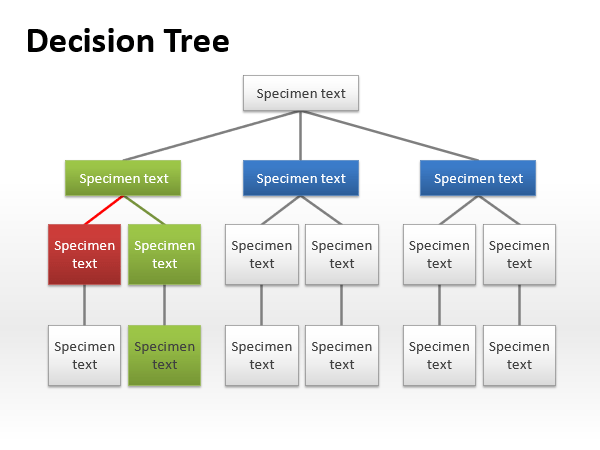
Decision Making Trees:
These are just a few of the many avenue’s organizations use to communicate within their respected organizations; email, memos home, safety meetings, safety councils, workplace communication teams, phone calls, text messages, training sessions, policies and procedures are other avenues of workplace communication. Knowing your organization and the workforce will help you as a leader develop a communication process and communicate information consistently and timely. As mentioned earlier, the last thing you want is for an employee to find out good and/or bad news through social media, on the internet or through the gossip mill. This is a negative for employee morale. If you do need assistance developing a communication plan or process, ask for help. Communication is critical to the success of any organization, large or small. If you commit to following up on a question or concern, ensure that you follow-up.
The hiring process for any organization can make or break the recruitment and retention efforts for talented employees in a very competitive labor market and low levels of unemployment. Setting the tone with an inefficient or ineffective hiring process will impact the successes we have recruiting applicants into any organizations, regardless of benefits and perks being offered. Most people decide to stay or start looking for a new job within the first 60-days of employment. We should investigate the applicant’s qualifications, collect valid and useful data, avoid any stereotypes and hire legally. We should communicate and train supervisors and managers in our hiring processes, to ensure a consistent and effective method throughout the organization.
Questions and Inquiries Not to Ask:
You look so familiar to me. You sit behind me in church, right?
I can’t place your accent. What is it?
How are you feeling? When are you due? Do you have kids?
Are you married?
Do you have a disability?
Would you need a reasonable accommodation if you were offered this job?
How many sick days did you use last year?
Have you ever been on Workers’ Compensation?
Have you ever had a work-related injury?
What medications are you currently taking?
New York Labor Law Section 201-d:
This labor law prohibits employers from refusing to hire individuals because of lawful; off-duty recreational activities. What does this mean for our organizations? If you review social media or conduct Google searches on applicants prior to the making an offer, be aware of this law. Social media reviews or searches can lead to bias decision making.
Reference & Employment Checks:
Reference and employment checks can be an effective tool to use during the hiring process. Asking the applicant to sign a waiver prior to conducting reference and employment checks, can increase the information we can obtain during the process. The waiver provides a release of liability and claims for providing information about the applicant. I’m happy to draft waiver language for an employer.
Educational and Certification History:
A SHRM survey found that only half of employers verify candidate’s education credentials and 85% of others surveyed, reported uncovering a lie or misrepresentation on a candidate’s resume or job application. In my career, I have been involved in two cases of lying about degrees on a resume and job application. The one area I do not see employers check often is, certification active vs. in-active certification status or not renewed/no continuing education credit. With SHRM and HRCI credentials, certified professionals must recertify with continuing education credit every three-years. Many professional certifications have a similar process, we can and should review the active status of certifications, along with academic credentials.
Salary History:
Watch for changes in New York State on this law, it will impact most employers throughout the state, if not all. We will need to review our hiring process, job applications and communicate the changes to managers and supervisors. This will be a change to watch for at the end of 2019, start preparing now. Remember city and county specific requirements in this area.
“Ban the Box” Regulations:
New York City: Fair Chance Act; applies to employers with 4 or more employees, prohibits inquiring about or considering the criminal history of job applicants until after extending a conditional offer of employment
Buffalo: no criminal history inquires on initial job applications
Rochester: no criminal history inquiries until after initial job interview or conditional job offer.
Syracuse: no criminal history inquiries or background checks until after conditional job offer
Westchester: no criminal history inquiries until after application is submitted (includes job posting prohibition)
Criminal Background Checks New York Employers:
Post a copy of Article 23-A of the New York Corrections Law
Provide a copy of Article 23-A to a candidate if a background check report contains criminal information. Recommendation provide to the candidate before conducting the check.
We must also comply with the Fair Credit Reporting Act disclosures and notice requirements as well.
These are just a few thoughts on developing a legal and effective hiring process. As laws continue to change, so to should our hiring processes. Open communication, proactive feedback and follow-up is necessary for an effective process. Ask for feedback during the hiring process and make evolutionary changes to ensure a successful recruiting campaign.






 BURR CONSULTING, LLC