Remote Work Policies With remote and hybrid work becoming more common, updating policies to clearly define expectations, eligibility, and equipment use is essential.
The EEOC is focusing on discrimination claims related to hair texture and style, so grooming and dress code policies should be reviewed and updated accordingly .
Use inclusive language throughout the handbook, such as gender-neutral pronouns (they/them), to foster inclusivity
Employee Classifications and Wage Laws
Review classifications under the Fair Labor Standards Act (FLSA) to ensure proper exemption status.
Stay current with state-specific wage and hour laws, including paid time off and leave policies
Paid Family and Medical Leave
Be aware of state-specific changes, such as Maryland delaying its Paid Family and Medical Leave program contributions until July 1, 2025, with benefits starting July 1, 2026
Pregnancy Accommodations
Update policies to comply with evolving pregnancy accommodation laws and ensure clear procedures for requesting accommodations.
State-Specific Legal Changes
California employers should note changes affecting non-discrimination, leave, and vacation policies effective January 2025.
New York and New Jersey employers must incorporate recent federal and state legal developments into their handbooks .
Company Culture and Compliance Balance
While compliance is critical, also ensure the handbook reflects your organization’s culture and values to engage employees effectively
General Policy Reviews
Regularly review key policies such as leave, attendance, workplace conduct, and disciplinary procedures to maintain compliance and clarity.
New York State Handbook Review & Update Considerations
Paid Family Leave and Paid Sick Leave: New York State has been expanding its paid family leave and paid sick leave laws. Ensure your handbook reflects the latest eligibility, benefits, and procedures for requesting leave under these laws.
Minimum Wage and Overtime Rules: New York State and many localities (e.g., NYC, Long Island) have scheduled minimum wage increases. Confirm that wage policies and overtime eligibility align with the current rates and thresholds effective in 2025-2026.
Anti-Discrimination and Harassment Policies: Updates to reflect any new protected classes or changes in reporting procedures under New York State Human Rights Law and recent case law. Training requirements for harassment prevention may also have changed.
Workplace Safety and COVID-19 Policies: While COVID-19 emergency rules have relaxed, some employers maintain policies on vaccination, testing, or remote work. Review any state or local health guidance that might affect workplace safety protocols.
Employee Classification and Wage Transparency: New York has laws addressing gig workers, independent contractors, and wage transparency. Ensure handbook language clarifies employee status and complies with disclosure requirements.
Leave for Voting, Jury Duty, and Military Service: Confirm that leave policies comply with New York State laws protecting these rights.
Use of Technology and Social Media: Update policies on acceptable use of company devices, data privacy, and social media conduct, reflecting evolving norms and legal standards.
This is a shortlist of potential sections to review and revise in most employee handbooks. Continue to review local and state changes as well, when reviewing and updating employee handbooks. Communication, training and setting the expectations is necessary with any organizational change, including employee handbooks.
“Many states, counties, cities, and towns have their own laws prohibiting discrimination, as well as agencies responsible for enforcing those laws. We call these state and local agencies “Fair Employment Practices Agencies” (FEPAs). Usually the laws enforced by these agencies are similar to those enforced by EEOC.”[i] States and cities (including New York State and New York City) have entered into a work sharing agreement with the EEOC. What does this mean for our organizations? Does it have an impact on how we should operate or how we manage workplace allegations and investigations?
Work Sharing Agreements:
Under these terms, both the EEOC and state authority (NYS Division of Human Rights) or City (NYC) can designate the other as its agent for receipt of charges.
What does this mean? If a charge is received by one partner under the agreement, it is deemed received by the other.
“Moreover, these agreements typically proved that the state entity can waive its rights to process such a charge referred to it by the EEOC, which as the effect of permitting the federal agency to process the charge without waiting for the 60-day period to expire.
Many such agreements have an automatic waiver provision, which means that as soon as the charge is filed with the EEOC, the EEOC can begin processing it without going through the motions of referring it back to the state authority.
It also means that the grievant need not file with the state agency within 240 days of the unlawful practice, but, instead, has a full 300 days within which to take the initial step of filing a charge with the federal agency.”[i]
“You can file your charge with either the EEOC or with a Fair Employment Practices Agency. If the charge is initially filed with EEOC and the charge is also covered by state or local law, EEOC dual files the charge with the state or local FEPA (meaning the FEPA will receive a copy of the charge), but ordinarily retains the charge for processing.
If a FEPA has a contract with EEOC, a Charging Party may request that the EEOC review the determination of the FEPA. EEOC will conduct a review only if the request is submitted in writing within fifteen (15) days of receipt of the FEPA’s determination.”[ii]
Confused yet? To summarize, New York State and New York City have a working agreement with the EEOC, if a charge is filed, it is sent with the state or city, it is sent to the EEOC as well, if it falls within the 300-day requirement, under current federal law. “The EEOC contracts with approximately 90 FEPAs nationwide to process more than 48,000 discrimination charges annually.”[iii]
In summary, New York State and New York City have a working agreement with the EEOC. If a charge is filed, it is shared with both the state or city agency and the EEOC, provided it falls within the 300-day requirement under current federal law. The EEOC contracts with approximately 90 FEPAs nationwide to process more than 48,000 discrimination charges annually.
Implications for Organizations
So, what does all of this mean for organizations operating in areas with work sharing agreements? Here are some key implications:
Awareness of Extended Filing Deadlines: Organizations must be aware that employees have 300 days to file a charge with the EEOC, even if the state or local filing deadline is shorter. This extended timeframe can impact internal investigation timelines and record retention policies.
Potential for Dual Investigations: While the EEOC typically retains the charge for processing, organizations should be prepared for the possibility of parallel investigations by both the EEOC and the relevant FEPA. Coordination with legal counsel is crucial in such situations.
Importance of Thorough Internal Investigations: Given the potential for charges to be filed with either the EEOC or a FEPA, organizations should conduct thorough and impartial internal investigations of any workplace allegations of discrimination or harassment. A well-documented investigation can be a valuable defense in the event of a formal charge.
Review of Policies and Procedures: Organizations should review their anti-discrimination and harassment policies and procedures to ensure they are up-to-date and compliant with both federal and state/local laws. This includes ensuring that employees are aware of their rights and responsibilities under these laws.
Training for Managers and Employees: Regular training for managers and employees on anti-discrimination and harassment laws is essential. This training should cover topics such as recognizing and preventing discrimination, handling complaints, and conducting investigations.
Consistent Application of Policies: It is crucial to apply policies and procedures consistently across the organization. Inconsistent application can lead to claims of discrimination and undermine the organization’s defense in the event of a charge.
Documentation: Maintain thorough and accurate records of all complaints, investigations, and disciplinary actions. This documentation can be critical in defending against discrimination charges.
Legal Counsel: Consult with legal counsel experienced in employment law to ensure compliance with all applicable federal, state, and local laws. Legal counsel can also provide guidance on handling specific charges and investigations.
[i] Joel Wm. Friedman, Examples & Explanations: Employment Discrimination. Third Edition (Wolters Kluwer 2017).
Is the employer liable for an employee’s conduct in or outside the workplace? Vicarious liability is the legal term outlining when an employer or principle is held liable for the wrongful acts committed by the employee, manager, supervisor, etc. within the scope of employment. Defined in the California court system, as follows:
“Under the respondent superior doctrine, an employer may be vicariously liable for torts committed by an employee. The rule is based on the policy that losses caused by the torts of employees, which as a practical matter are certain to occur in the conduct of the employer’s enterprise should be placed on the enterprise as a cost of doing business.” (Kephart v. Genuity, Inc. (2006) 136 Cal.App.4th 280)
The answer is yes, the employer can be held liable for the actions of its managers, supervisors and employees. The three primary reasons for implementing and ruling on this doctrine, is to prevent reoccurring conduct, greater assurance of compensation to the victim and to ensure equitable settlements to the victim.
The courts have defined the course and scope of employment, to include:
Intent of the employee;
Nature, time and place of the employee’s conduct;
Type of work the employee was hired to do;
Incidental acts the employer should reasonably expect the employee to do;
Amount of freedom allowed to the employee in performing his or her duties; and
Amount of time consumed in the personal activity.
Infliction of emotional distress allows an employee to recover damages when the employer acts wrongfully; public policy violation or termination because of a disability. Employers can terminate someone legally. If the organization terminates someone in an impermissible manner, they can be held liable for infliction of emotional distress with the past employee or even potentially a spouse if the emotional distress spills over outside of the workplace. Courts have outlined four elements of an emotional distress tort:
The defendant’s conduct was extreme and outrageous, beyond all bounds of human decency,
The defendant intended to cause severe emotional distress to the plaintiff, or acted in disregard of a high probability that its conduct would inflict such harm,
The defendant proximately caused emotional distress to the plaintiff, and
The emotional distress was so severe that no reasonable person could be expected to endure.
A plaintiff’s success on an emotional distress story usually hinges on his or her ability to prove the first and fourth elements. (Understanding Employment Law, 2nd Edition)
Thoughts and Suggestions:
Review and Update Policies, Procedures and/or Employee Handbook
Communicate expectations to the entire workforce
Hold a separate training for managers and supervisors, they need to understand that they are held to a higher standard in the workplace
Conduct Annual Training’s on Policies, Using Examples and Situations
Consistently enforce policies and procedures throughout the organization
If you have traveling employees, reinforce expectations of on the road behavior
Review Local, State and Federal Laws
Laws can change (New York State Sexual Harassment/DHR Laws)
I’m happy to work with any organization that has questions on policies, procedures, handbooks and/or training.
As we see the evolution of local and state laws on medicinal and recreational marijuana, we need to ensure our drug and alcohol testing policies are up-to-date and legal. A nationwide policy on drug and alcohol testing will not suffice, as states continue to change legislation. We also need to ensure the Americans with Disability Act language is included in the policy and we enforce consistently.
Below are six definitions to consider in the drug and alcohol testing policy:
Employee Assistance Program: If your organization offers employee assistance, we should carve out language regarding the assistance that is provided to the workforce, with location, contact person and phone number. The EAP information should be communicated regularly and through multiple channels of communication.
Preemployment Testing: This is common language to include in a drug testing policy or offer letter. “Applicants being considered for hire must pass a drug test before beginning work or receiving an offer of employment. Refusal to submit to testing will result in disqualification of further employment consideration.”[i]
Reasonable Suspicion Testing: Often included in policies throughout many of our workplaces. “Employees are subject to testing based on (but not limited to) observations by at least two members of management of apparent workplace use, possession or impairment. HR, the plant manager or the director of operations should be consulted before sending an employee for testing. Management must use the Reasonable Suspicion Observation Checklist to document specific observations and behaviors that create a reasonable suspicion that an employee is under the influence of illegal drugs or alcohol. Examples include:
Odors (smell of alcohol, body odor or urine).
Movements (unsteady, fidgety, dizzy).
Eyes (dilated, constricted or watery eyes, or involuntary eye movements).
Face (flushed, sweating, confused or blank look).
Speech (slurred, slow, distracted mid-thought, inability to verbalize thoughts).
Inactions (sleeping, unconscious, no reaction to questions).”[ii]
This is not an all-inclusive list and should be tailored to the needs of your organization.
Post-Accident Testing: If your employees are operating equipment or driving workplace vehicles, this is language that should be included in your organization’s policy. In some organizations post-accident testing is common after any accident in the workplace, it does not have to be an industrial organization. Determine with your insurance agency and workers compensation company which post-accident testing should be in the policy.
Random Drug Testing: In the past we have used external organizations to draw a percentage of names monthly for drug, alcohol and drug and alcohol testing. You can also program Excel spreadsheets to randomly choose people for random testing, based on employee numbers. This should be done consistently monthly, semimonthly, semiannually or annually. The policy should be communicated to employees.
Return to Work Testing: Remember the ADA in this situation and state regulations prior to implementing return to work testing. I have used this process in past organizations when someone has admitted to testing positive prior to a random drug test. We utilized a 12-month random drug testing last chance agreement.
Every organization will have differing requirements for drug and alcohol testing. If your organization is DOT regulated, ensure you are following state and federal DOT requirements. The rules are complex and have changed recently. Ensure your organization defines what happens if an employee does test positive for drugs, alcohol or both. Consider adding language in regarding selling or purchasing drugs on company property. Review the policy annually, communicate any changes to the workforce, publish the policy and obtain signatures from all employees. If an employee is on a last chance agreement, review the policy again and obtain a signature. In some circumstances preemployment drug and alcohol testing can lower workers compensation rates, I have seen this with manufacturing companies. Confirm with your comp provider to see if this is an option.
Purpose: These tests are part of broader drug-free workplace programs aimed at preventing accidents, reducing absenteeism, and maintaining overall workplace safety and productivity. Testing can deter substance misuse and help identify employees who may need assistance or disciplinary action
Types of Tests: Various biological specimens can be tested, including urine, blood, saliva (oral fluid), hair, and sweat. Urine testing is the most common for drugs, while breath-alcohol tests are typical for alcohol detection. Each method varies in invasiveness, detection window, and substances detected
When Testing Occurs: Testing may be conducted at different times, such as pre-employment screening, random testing, post-accident, reasonable suspicion, post-treatment, or as part of annual physical. The timing and frequency depend on company policy, industry regulations, and legal requirements
Legal and Regulatory Framework: Workplace drug and alcohol testing programs must comply with applicable local, state, and federal laws. For example, the U.S. Department of Transportation (DOT) has specific regulations (49 CFR Part 40) governing testing in federally regulated transportation industries. Additionally, laws like the Americans with Disabilities Act (ADA) impose restrictions on when and how alcohol testing can be conducted to protect employee rights
Test Result Handling: Tests are typically conducted by certified laboratories, and results are reviewed by Medical Review Officers (MROs), who interpret findings considering medical history and other relevant information. Positive results may lead to referrals for treatment, rehabilitation, or disciplinary measures
Marijuana in the Workplace Evolving Legislation
“Over the past decade we have seen significant changes throughout the country at the local and state level related to medicinal and recreational marijuana, with the majority of states legalizing some form of THC or cannabis. Marijuana is still illegal at the federal level, which governs the Department of Transportation rules and regulations for many positions across the country. With the president recently pardoning federal marijuana-related misdemeanors, HR professionals need to ensure we embrace not only the changes laws and regulations, but the changing attitudes towards recreational and medicinal marijuana use.
Medicinal Use & ADA: Medical marijuana is legalized in the majority of the states throughout the country. Medical providers can and do prescribe marijuana for medicinal use. We should fully understand reasonable accommodation, essential functions, and additional considerations under the American with Disabilities Act, along with other local and state laws and regulations.
Drug Testing: Certain states and cities have now banned preemployment drug testing for THC for many positions in the state or locale. Ensure you have a clear understanding of any evolving laws and regulations. Also consider DOT regulations, at times you might have separate drug testing policies for DOT and non-DOT employees in the same organizations. Expectations and policies should be communicated.
Criminal Background Checks: Laws and regulations continue to evolve on criminal background checks related to prior charges for marijuana related crimes. This includes second-class legislation. There are a variety of laws and regulations across the country defining the dos and don’ts of criminal background checks. Research and outsourcing will ensure proactive approaches to criminal background checking.
Policies & Procedures: With evolving legislation, make it a priority to update any policies and procedures in relation to drug-free workplaces, preemployment testing, reasonable suspicion, post-accident testing, etc. Regardless of the laws and regulations, there should be zero-tolerance policy in place of any employee being under the influence or any drug or alcohol in the workplace. Implementing an Employee Assistance Program (EAP) is recommended for organizations that are large and small. Train supervisors on enforcing the policy and procedures and communicate any changes throughout the organization.” (Burr SHRM Article)
The Americans with Disabilities Act until recently, ruled against reasonable accommodation in relation to medicinal marijuana use. Employer-Friendly decisions include Washburn v. Columbia Forest Products, Inc., Roe v. Teletch Customer Care Mgmt., Johnson vs. Columbia Falls Aluminum Co., and Ross v. RagingWire Telecommunications, Inc. Three out of the four rulings for employers happened in pro-marijuana states: California, Oregon and Washington. However, along comes Barbuto vs. Advantage Sales and Marketing, LLC; “the Massachusetts high court addressed whether an employer must accommodate medical cannabis use, since state law permits medical marijuana use and prohibits disability discrimination…The court held that an exception to the employer’s drug policy to permit offsite marijuana use may be a reasonable accommodation where the employee’s physician determines that marijuana is the most effective treatment for the employee’s disability and that any alternative medication permitted by the employer’s drug policy would be less effective.” https://www.shrm.org/resourcesandtools/legal-and-compliance/state-and-local-updates/pages/must-employers-accommodate-medical-marijuana.aspx
AI Answer State Laws: A Patchwork of Regulations
The legal status of marijuana varies significantly from state to state, creating a complex and often confusing landscape. States generally fall into one of four categories:
1. Recreational Use Legal
In states with recreational marijuana laws, adults (typically 21 and older) can legally purchase, possess, and use marijuana for non-medical purposes. These states typically have a regulated market with licensed dispensaries, cultivation facilities, and testing labs. Sales are subject to state and local taxes. Specific regulations vary but often include limits on the amount of marijuana that can be purchased or possessed at one time, as well as restrictions on where marijuana can be consumed (e.g., prohibiting public consumption).
Examples of states with recreational marijuana laws include:
Colorado: Was one of the first states to legalize recreational marijuana.
Washington: Also legalized recreational marijuana early on.
Oregon: Known for its relatively liberal marijuana laws.
California: Has a large and established recreational market.
Alaska: Allows for limited personal cultivation.
Nevada: Benefits from tourism driving marijuana sales.
Maine: Has a regulated recreational market.
Massachusetts: Another East Coast state with recreational legalization.
Michigan: A Midwestern state with recreational marijuana.
Vermont: Allows personal cultivation and possession.
Illinois: The first state to legalize recreational marijuana through legislation.
New Jersey: Another recent addition to the recreational legalization list.
New Mexico: Has legalized recreational marijuana.
New York: Has legalized recreational marijuana.
Connecticut: Has legalized recreational marijuana.
Rhode Island: Has legalized recreational marijuana.
Maryland: Has legalized recreational marijuana.
Delaware: Has legalized recreational marijuana.
Missouri: Has legalized recreational marijuana.
Ohio: Has legalized recreational marijuana.
2. Legal Medical Use
States with medical marijuana laws allow patients with qualifying medical conditions to access marijuana with a doctor’s recommendation. These states typically have a registry program where patients can obtain a medical marijuana card, allowing them to purchase marijuana from licensed dispensaries or, in some cases, cultivate their own. Qualifying conditions vary by state but often include chronic pain, cancer, epilepsy, and multiple sclerosis.
Many states have medical marijuana programs, including:
Arkansas
Florida
Louisiana
Minnesota
New Hampshire
North Dakota
Oklahoma
Pennsylvania
South Dakota
Utah
West Virginia
3. Decriminalization
Decriminalization means that possession of small amounts of marijuana is treated as a minor offense, similar to a traffic ticket, rather than a criminal offense. Penalties typically involve a small fine, and there is no risk of jail time. Decriminalization does not legalize the sale or cultivation of marijuana.
Some states that have decriminalized marijuana include:
Nebraska
North Carolina
Ohio
4. Prohibition
In states with prohibition, marijuana remains illegal for both recreational and medical purposes. Possession, use, sale, and cultivation of marijuana are all subject to criminal penalties, which can range from fines to imprisonment.
Currently, only a few states maintain complete prohibition:
Idaho
Kansas
Wyoming
“Schedule I: Schedule I drugs, substances, or chemicals are defined as drugs with no currently accepted medical use and a high potential for abuse. Some examples of Schedule I drugs are: heroin, lysergic acid diethylamide (LSD), marijuana (cannabis), 3 methylenedioxymethamphetamine (ecstasy), methaqualone, and peyote” “Despite marijuana’s Schedule I status, former President Barack Obama’s administration issued a memo in 2013 stating that federal prosecutors wouldn’t target adults who were growing or using marijuana in accordance with state laws. Instead, the federal government focused its efforts on preventing marijuana sales to minors and stopping drug cartels. Although President Donald Trump’s administration rescinded the Obama-era memo, there hasn’t been a ramp up in enforcement, and states continue to approve marijuana use.” https://www.dea.gov/drug-scheduling
Drug Free Workplace Act
The most important piece of legislation regulating federal contractors and grantees is the Drug-free Workplace Act of 1988 (PDF | 204 KB). Under the act, a drug-free workplace policy is required for:
An organization that receives a federal contract of $100,000 or more
Any organization receiving a federal grant of any size
At a minimum, such organizations must:
Prepare and distribute a formal drug-free workplace policy statement. This statement should clearly prohibit the manufacture, use, and distribution of controlled substances in the workplace and spell out the specific consequences of violating this policy.
Establish a drug-free awareness program. This program should inform employees of the dangers of workplace substance use; review the requirements of the organization’s drug-free workplace policy; and offer information about any counseling, rehabilitation, or employee assistance programs (EAPs) that may be available.
Ensure that all employees working on the federal contract understand their personal reporting obligations. Under the terms of the Drug-Free Workplace Act, an employee must notify the employer within five calendar days if he or she is convicted of a criminal drug violation.
Notify the federal contracting agency of any covered violation. Under the terms of the Drug-free Workplace Act, the employer has 10 days to report that a covered employee has been convicted of criminal drug violation.
Take direct action against an employee convicted of a workplace drug violation. This action may involve imposing a penalty or requiring the offender to participate in an appropriate rehabilitation or counseling program.
Maintain an ongoing good faith effort to meet all the requirements of the Drug-free Workplace Act throughout the life of the contract. Covered organizations must demonstrate their intentions and actions toward maintaining a drug-free workplace. Their failure to comply with the terms of the Drug-Free Workplace Act may result in a variety of penalties, including suspension or termination of their grants/contracts and being prohibited from applying for future government funding.
OSH Act
Duty to provide employees with a workplace “free from recognized hazards that are causing or are likely to cause death or serious physical harm”
We have had several inquiries about whether the DOJ advice to Federal prosecutors regarding pursuing criminal cases will have an impact upon the Department of Transportation’s longstanding regulation about the use of marijuana by safety‐sensitive transportation employees – pilots, school bus drivers, truck drivers, train engineers, subway operators, aircraft maintenance personnel, transit fire‐armed security personnel, ship captains, and pipeline emergency response personnel, among others.
We want to make it perfectly clear that the DOJ guidelines will have no bearing on the Department of Transportation’s regulated drug testing program. We will not change our regulated drug testing program based upon these guidelines to Federal prosecutors.
The Department of Transportation’s Drug and Alcohol Testing Regulation – 49 CFR Part 40, at 40.151(e) – does not authorize “medical marijuana” under a state law to be a valid medical explanation for a transportation employee’s positive drug test result.
That section states:
§ 40.151 What are MROs prohibited from doing as part of the verification process? As an MRO, you are prohibited from doing the following as part of the verification process: (e) You must not verify a test negative based on information that a physician recommended that the employee use a drug listed in Schedule I of the Controlled Substances Act. (e.g., under a state law that purports to authorize such recommendations, such as the “medical marijuana” laws that some states have adopted.)
Therefore, Medical Review Officers will not verify a drug test as negative based upon information that a physician recommended that the employee use “medical marijuana.” Please note that marijuana remains a drug listed in Schedule I of the Controlled Substances Act. It remains unacceptable for any safety‐sensitive employee subject to drug testing under the Department of Transportation’s drug testing regulations to use marijuana.
We want to assure the traveling public that our transportation system is the safest it can possibly be.
Jim L. Swart Director Office of the Secretary of Transportation Office of Drug and Alcohol Policy and Compliance Department of Transportation October 22, 2009
“Implications of Legalization of Recreational Marijuana
Despite three states—Arkansas, North Dakota and South Dakota—rejecting in 2022 the legalization of adult recreational marijuana use, three other states—Maryland, Missouri and Rhode Island—legalized such use.
“I think the legalization of marijuana is inevitable nationwide; it’s just a matter of how and when,” said Dillon McGuire, an attorney with Pashman Stein Walder Hayden in Holmdel, N.J.
Recreational marijuana is now legal in 21 states plus the District of Columbia.
Therapeutic Psychedelics
In the U.S., the use of certain psychedelics in a facilitated, supervised setting is lawful in Colorado and Oregon, noted Lauren Carboni, an attorney with Foley & Lardner in Denver, and John Litchfield, an attorney with Foley & Lardner in Chicago.
In November 2020, Oregon became the first state to regulate therapeutic psilocybin sessions for adults 21 and older in licensed, clinical settings.
Psilocybin is the psychoactive compound found in what is referred to as magic mushrooms, explained Christine Lamb, an attorney with Fortis Law Partners in Denver.
The state begins accepting applications for licensure of facilities to administer its regulated psilocybin services program on Jan. 2, 2023.
In November 2022, Colorado voters approved a similar measure. By Sept. 30, 2024, the Colorado Department of Regulatory Agencies must adopt implementation rules.” (SHRM)
California: Requires employers to include salary ranges in job postings.
Colorado: Enacted the Equal Pay for Equal Work Act, which includes pay transparency requirements.
Connecticut: Requires employers to disclose wage ranges in job postings and prohibits seeking salary history.
Hawaii: Requires employers to disclose salary ranges in job postings.
Illinois: Has pay transparency requirements, with some guidance rolling out in 2025.
Maryland: Requires employers to disclose wage ranges in job postings.
Massachusetts: Requires employers with 100+ employees to submit wage data reports annually.
Minnesota: Has pay transparency requirements, including disclosure of salary ranges.
Nevada: Requires employers to disclose wage or salary ranges.
New Jersey: Has pay transparency requirements.
New York: Requires employers to disclose salary ranges in job postings.
Rhode Island: Requires employers to provide the wage range prior to discussing compensation and upon request.
Vermont: Requires employers to disclose hourly wage or salary, or range, in job postings.
Washington: Requires employers to include salary ranges in job postings.
Washington D.C.: Requires employers to disclose wage ranges in job postings.
Pay Transparency Laws by State: Effective Dates
Below is an at-a-glance list of the states and corresponding effective dates that require disclosure of pay range under certain circumstances. Each law is different, so employers should review each specific jurisdiction’s requirements to ensure compliance:
California – effective Jan. 1, 2023
Colorado – effective Jan. 1, 2021
Connecticut – effective Oct. 1, 2021
District of Columbia – effective June 30, 2024
Hawaii – effective Jan. 1, 2024
Illinois – effective Jan. 1, 2025
Maryland – effective Oct. 1, 2020
Massachusetts – effective Oct. 29, 2025
Minnesota – effective Jan. 1, 2025
New Jersey – statewide law effective June 1, 2025
New York – effective Sept. 17, 2023
Nevada – effective Oct. 1, 2021
Rhode Island – effective Jan. 1, 2023
Vermont – effective July 31, 2025
Washington – effective Jan. 1, 2023
As of this writing, several jurisdictions in the U.S. have some form of a pay transparency law. But more could be on the horizon.
Of course, as with all aspects of employment law, each jurisdiction handles these requirements differently.
Starting at a high level, some states have laws that require employers to disclose the pay range for a position if the applicant asks for it:
California
Colorado
Connecticut
Maryland
Massachusetts – effective as of Oct. 29, 2025
Minnesota
Nevada
Rhode Island
Even among these states, there is some variation in how they implement their pay transparency laws.
Salary History Bans in the United States
Salary history bans are adjacent to pay transparency laws and generally prohibit employers from asking job applicants about their past or current pay.
These laws preclude employers from relying on pay history to set compensation, part of the growing employment law sector related to the #MeToo movement.
Employers can usually ask for pay expectations but not actual pay history.
What states have salary history bans?
States, or jurisdictions within them, that have salary history bans include:
1. Regularly Review and Update Compensation Policies
Conduct regular audits of pay practices to ensure compliance and identify any unjustified pay disparities
Establish clear, documented guidelines for setting and communicating pay ranges.
2. Standardize Job Postings
Include required salary ranges and compensation details in all job postings, especially for roles that could be performed in states with transparency laws.
For multistate employers, consider adopting the strictest applicable standard to streamline compliance
3. Train Managers and HR Staff
Ensure those involved in hiring and compensation decisions understand the requirements and are prepared to answer questions about pay transparency
4. Prepare for Employee Inquiries
Be ready to provide pay scale information to current employees and applicants upon request, as required by law
5. Monitor Legal Developments
Stay informed about new and evolving wage transparency laws, as more states and localities are expected to adopt similar requirements in the coming years
Strategic Opportunities
1. Building Trust and Employer Brand
Transparent pay practices can enhance employee trust, improve retention, and make the organization more attractive to top talent
2. Promoting Pay Equity
Wage transparency helps identify and address pay gaps, supporting diversity, equity, and inclusion goals
2023 New York State Wage Transparency September 17, 2023
“As a reminder, the pay transparency law, which is codified at Section 194-b of the New York Labor Law, will require employers with four or more employees to include the following whenever they “advertise” for a job, promotion, or transfer opportunity:
The compensation or “range of compensation” for the job, promotion, or transfer opportunity.
The job description for the job, promotion, or transfer opportunity, if one exists.
The original legislation did not define the term “advertise.” The amendment adds the following definition:
“[A]dvertise” shall mean to make available to a pool of potential applicants for internal or public viewing, including electronically, a written description of an employment opportunity.
This is a broad definition and will likely encompass internal postings on an intranet or job board, postings in newspapers and “want ads,” as well as electronic postings on the employer’s website or job posting sites such as Indeed.com or ZipRecruiter.” (https://www.hodgsonruss.com/newsroom-publications-14258.html)
“On Dec. 21, 2022, Gov. Kathy Hochul signed the long-anticipated New York State pay transparency bill into law. The bill amends New York State Labor Law by adding a new section 194-b, which takes effect on Sept. 17, 2023. Labor Law § 194-b continues a recent trend toward pay transparency both nationally and locally, including similar laws in New York City, Albany County, Westchester County and Ithaca.
Employers subject to the law are broadly defined to include nearly every entity with four or more employees, as well as agents and recruiters. Only temporary help firms, as defined under New York State Labor Law § 916(5), are exempt.[1]
Similar to other pay transparency laws, Labor Law § 194-b requires employers to disclose an amount or a range of compensation for any open job, promotion or transfer opportunity that can or will be performed, at least in part, in New York State. The law defines “range of compensation” as “the minimum and maximum annual salary or hourly range of compensation . . . that the employer in good faith believes to be accurate at the time of the posting of an advertisement” for the job, promotion or transfer opportunity. Advertisements for jobs, promotions or transfer opportunities that are paid solely on commission must disclose that in writing. Additionally, the law requires employers to post a job description if one exists.
Labor Law § 194-b does not define “advertisement,” so the breadth of the law’s application to activities such as direct recruitment and internal promotion is unclear. Presumably, the Commissioner of Labor will clarify the scope of coverage by regulations, which the law directs the Commissioner to promulgate.
Employers are required to keep and maintain records in connection to the law, including the history of compensation ranges for each job, promotion or transfer opportunity and the job descriptions for these positions, if such job descriptions exist.
Any person claiming to be aggrieved under Labor Law § 194-b may file a complaint with the Department of Labor, which has the authority to impose civil penalties of up to three thousand dollars for violations of the law or forthcoming regulations. Employers are prohibited from refusing to interview, hire, promote, employ or otherwise retaliate against an applicant or current employee for exercising any rights under this new law.
Finally, Labor Law § 194-b contains a provision stating that it shall not be construed or interpreted to supersede or preempt any local law, rules, or regulation. Most of the existing local pay transparency laws in New York failed to predict a parallel state law (despite the fact that one had already passed in the legislature), so employers subject to these laws will have to comply with overlapping obligations unless the local jurisdictions yield. The Westchester County Salary Transparency Law is the outlier and expressly gives way to “substantially similar” state legislation.” (Bond)
May 12, 2022, the Salary Transparency Law was enacted in New York City, which was postponed to the effective date of November 1, 2022.
“In addition to employers, 134-A specifies that employment agencies, and employees or agents thereof, must also include a salary range or hourly wage range in each advertised position, promotion, or transfer opportunity. Job advertisements for “temporary employment at temporary help firms” are still exempted from the law. Temporary help firms are defined as businesses that recruit and hire their own employees and assign those employees to perform work at or perform services for other organizations or businesses.” (Littler)
“The civil penalty for the first violation will be $0 if the employer cures the violation within 30 days of receipt of a complaint. The proof of cure may be submitted either electronically or in person and is deemed an admission of liability by the employer.
In line with the recent CCHR guidance (which has now been updated), the law would apply to job listings for both salaried and hourly positions, and would not apply to any position “that cannot or will not be performed, at least in part, in the city of New York.”
While an individual may only file a lawsuit based on a violation arising from an advertisement by their current employer, any aggrieved person may file a complaint with the Commission, regardless of whether the alleged violator is the grievant’s current employer.” (Bond)
New York Wage Transparency Law
As assumed, on June 3, 2022, New York State passed a similar law on wage transparency.
“The new law would require covered employers to disclose compensation or a range of compensation to applicants and employees upon issuing an employment opportunity for internal or public viewing, or upon employee request. The Bill is intended to enhance transparency around compensation and reducing any existing wage disparities among employees.
The Bill defines a covered employer as: (i) “any person, corporation, limited liability company, association, labor organization or entity employing four or more employees in any occupation, industry, trade, business or service, or any agent thereof;” and (ii) “any person, corporation, limited liability company, association or entity acting as an employment agent or recruiter, or otherwise connecting applicants with employers, provided that “employer” shall not include a temporary help firm” as the term is defined under New York Labor Law Section 916 (5).
The Bill requires covered employers to disclose the following information in job postings, including for promotions and transfer opportunities, that can or will be performed at least in part in the State of New York:
The compensation or a range of compensation for such job, promotion, or transfer opportunity; and
The job description for such job, promotion, or transfer opportunity, if such description exists.
For positions that are paid solely on commission, compliance with the law’s compensation disclosure requirements can be achieved by providing a written general statement that compensation shall be based on commission.
Additionally, the new law would prohibit employers from refusing to interview, hire, promote, employ or otherwise retaliating against an applicant or current employee for exercising their rights under new Section 194-b. The law would allow individuals aggrieved by a violation to file a complaint with the NYS Department of Labor (NYSDOL). Violations of the any of the requirements of the new law or any subsequently published regulations could result in a civil penalty pursuant to NY Labor Law Section 218 which generally provides civil monetary penalties for non-wage related violations ranging from $1,000 to $3,000, to be assessed by the NYSDOL.
Under the new law, covered employers would also be required to maintain records of compliance, including but not limited to the history of compensation ranges for each job, promotion or transfer opportunity as well as the job descriptions for such positions (if applicable).” (Bond)
If enacted, the proposed bill would take effect 270 days after it becomes law.
These are simple changes to make when posting for openings and recruiting. Ensure that you are communicating the anticipated changes throughout your organization. Continue to monitor for any upcoming changes or modifications to the proposed legislation. These changes are a trend nationally.
Ithaca New York Pay Transparency Law Effective September 1, 2022: “The City of Ithaca will require employers to disclose the minimum and maximum pay in every job posting, starting September 1. The new city ordinance applies to any employer with more than three permanent workers based in Ithaca. That could also include employers of certain Ithaca-based remote workers.”
In light of recent unfortunate events at a Coldplay Concert, when a CEO and HR Director were caught on a camera moment, ducking and hiding away from the media. Dating in the workplace is common, every organization should have parameters in place to ensure expectation is set, consequences and clear ethical guidelines are in place. We have all seen the fallout from the recent events at the Coldplay Concert, the CEO resigns, the HR Director is under investigation and internal workplace ethical credibility is gone. Ethics starts at the top of the organization, if we don’t follow the mission, vision, values and code of ethics in the organization, why should we expect the workforce to follow anything? Setting the tone at the top helps drive, culture, communication, internal equity, transparency, trust and open communication throughout the organization.
Dating in the workplace is a common occurrence, given how much time employees spend together. However, it brings unique challenges and risks that employers must address to maintain a professional, safe, and productive environment.
1. Clear Policies and Guidelines Employers are increasingly expected to have clear, written policies regarding workplace relationships. These policies typically outline:
Disclosure Requirements: Many employers require employees to disclose romantic relationships, especially if there is a reporting relationship or potential conflict of interest. Disclosure allows the employer to manage risks, such as favoritism or conflicts, and to make adjustments if necessary (e.g., changing reporting lines).
Prohibited Relationships: Most policies explicitly prohibit relationships between managers and their direct reports to avoid power imbalances and perceptions of favoritism or coercion.
Consensual Relationships: Employers emphasize that all relationships must be consensual and free from any form of harassment or coercion. Some require both parties to sign a consensual relationship agreement.
2. Professional Conduct Employers expect employees to maintain professionalism at all times, which includes:
No Public Displays of Affection (PDA): Employees are expected to refrain from PDA or any behavior that could make colleagues uncomfortable.
No Favoritism: Employees should avoid any actions that could be perceived as favoritism or bias due to their relationship.
Maintaining Boundaries: Personal issues should not spill over into the workplace. If a relationship ends, both parties are expected to remain professional and not disrupt the work environment.
3. Anti-Harassment and Complaint Procedures Employers are required to have robust anti-harassment policies and complaint procedures:
Sexual Harassment Training: Regular training is expected, especially for supervisors, to ensure everyone understands what constitutes harassment and how to report it.
Multiple Reporting Channels: Employees should have several avenues to report inappropriate conduct, not just through their direct supervisor.
Prompt Investigation: Employers are expected to investigate complaints thoroughly and impartially, taking corrective action if necessary.
4. Confidentiality and Non-Retaliation
Confidentiality: Employers stress the importance of keeping personal relationships and related information confidential to protect privacy and prevent gossip.
Non-Retaliation: Employees must be protected from retaliation if they report concerns or end a relationship.
5. Consequences for Policy Violations Violating workplace dating policies can result in disciplinary action, including reassignment or termination, depending on the severity of the infraction.
Key Takeaways for Employees
Know Your Company’s Policy: Always check your employee handbook or consult HR before starting a workplace relationship.
Disclose When Required: If your company requires disclosure, do so promptly to avoid potential disciplinary action.
Maintain Professionalism: Keep your relationship separate from your work life, avoid PDA, and treat your partner and colleagues equally.
Understand the Risks: Be aware that workplace relationships can lead to gossip, perceptions of favoritism, and complications if the relationship ends.
Seek Support if Needed: If you experience harassment or retaliation, use the reporting channels provided by your employer.
What Are Love Contracts? A love contract—also known as a consensual relationship agreement—is a voluntary document signed by two employees who are in a romantic relationship at work. The contract typically acknowledges that the relationship is voluntary and consensual, and it often outlines expectations for professional conduct in the workplace
Why Employers Use Love Contracts
Legal Protection: Love contracts are primarily used to protect employers from potential legal claims, especially those related to sexual harassment or favoritism. By having both parties acknowledge the consensual nature of the relationship, employers can reduce the risk of later claims that the relationship was unwelcome or coerced
Clarifying Boundaries: These agreements help clarify how the romantic relationship will (and will not) affect the working relationship, which can be especially important if one party supervises the other
Managing Breakups: In the event of a breakup, a love contract can help smooth the transition and set expectations for continued professionalism
When Are Love Contracts Used? Love contracts are most commonly used when a workplace romance involves a manager and a subordinate, as this dynamic poses the greatest risk for claims of harassment or favoritism. Most companies do not require love contracts for relationships between employees at the same level.
Ethics in the Workplace Leadership ethics in the workplace refers to the practice of leaders making decisions and guiding their teams based on moral principles and values, rather than just focusing on profits or personal gain. Ethical leadership is about doing the right thing for the common good, considering the needs of employees, customers, communities, and the organization as a whole.
Core Principles of Ethical Leadership Ethical leadership is built on several foundational principles:
Respect: Ethical leaders value the skills and contributions of others, fostering mutual respect rather than demanding it one-way. This creates healthier workplace relationships and a positive environment
Accountability: Leaders hold themselves responsible for their actions, lead by example, and communicate openly about challenges without shifting blame
Service: Ethical leaders prioritize the well-being of employees, customers, and the community, often engaging in charitable activities and encouraging their teams to do the same
Honesty and Transparency: Open and honest communication builds trust within the organization and with customers, even when addressing difficult or unpopular issues
Justice and Fairness: Ethical leaders ensure fair treatment for everyone, striving for equity and inclusion in decision-making
Community: They view the organization as a community, considering the impact of decisions on all stakeholders and promoting collaboration
A helpful framework for remembering these principles is the acronym FATHER: Fairness, Accountability, Trust, Honesty, Equality, and Respect.
Why Leadership Ethics Matter
Ethical leadership has significant benefits for organizations:
Improved Workplace Culture: Ethical leaders inspire trust, psychological safety, and a sense of belonging, leading to higher employee morale and engagement
Attracting and Retaining Talent: Employees, especially younger generations like Gen Z, are drawn to organizations with strong ethical values and are more likely to stay with such companies
Customer Loyalty: Consumers increasingly prefer to support businesses that demonstrate ethical practices and social responsibility
Long-Term Success: Ethical leadership helps prevent scandals and fosters sustainable growth by building loyal partnerships, customers, and employees
What Should Employers Consider?
Reporting Requirements: Love contracts usually require employees to report their relationship to HR, and also to notify HR if the relationship ends
Favoritism Concerns: Even with a love contract, employers must be vigilant about potential claims of favoritism or discrimination from other employees.
Policy Integration: Love contracts should be part of a broader workplace romance policy that addresses reporting, confidentiality, and professional conduct.
As we all know and understand, workplace burnout can be a significant issue in any of our organizations and throughout the workforce. How do we help solve this common problem? What opportunities can we offer to employees to reduce workplace burnout? Lead by example and set the tone at the top of the organization to counter workplace burnout, while ensuring employee commitment and engagement.
My 6 recommendations on countering workplace burnout:
Prioritize Your Health: This is a challenge for all of us, with long workdays and challenging work schedules (electronic responses late night). Look for opportunities to reduce stress and recognize when it is time to turn it off. Eat healthy, exercise regularly (I work out at 5am most mornings, it is a great way to start the day), get a full night’s sleep (turn the TV off and other technology early) and meditate or find alternatives to reduce stress. Developing disciplined and healthy habits will help you develop a routine; health should be a priority for all of us; I learned this the hard way.
Compassion: We all have different workstyles and how we personally handle stress and burnout. Recognize your own signs when work and life are too much, know that it is okay to take a break and rejuvenate for a few days. Know when employees in the organization are burning out and ask them to take a break. Burnout isn’t a personal failure, its simply time for a break. Make the break a priority.
Set the Tone at the Top: Some of you have seen emails from me at 3am (or earlier), this is an area where I need to heed my own advice. Set a good example as leaders in the organization and know when a break is needed and when to turn off the technology. Encourage employees to take downtime and focus on life, not work.
The Why: Have a true understanding of the reasons your organization or you personally are having workplace burnout. Is there anything we need to change as an organization? Is there anything I need to change? Can we do 4-day work weeks in the summer? Ask for feedback from the workforce and actively listen. Make the necessary changes to avoid burnout within yourself and your workforce.
Vacation & PTO Days: We have vacation and PTO days as a benefit in most organizations for a reason. Use the days granted by the organization and understand the value of using vacation and PTO days. Encourage subordinates to use these days as well and enforce the no technology usage on vacation policy. It is necessary to unplug, I still have not learned this.
Learn to Unplug: I will call myself a hypocrite with this recommendation. I have not learned how to unplug as of yet, but I am working on it! Technology controls the way we communicate and how we run our organizations. We have the ability to have instant access to information and need it to make effective and sound decisions. Turning off the technology is not a bad thing; it provides the break we all need. Learn how to unplug, even if it is only checking messages once a day on vacation (let’s see how well I am following my own advice). I was in Yellowstone National Park, so cellphone service was sporadic at best, which helped me turn off the technology for a while.
These are a just a few thoughts I have had as I reflect back on a busy first half of 2025 and recognize areas I need to personally improve on work-life balance, while learning to unplug. We all work differently, find the balance between life and work that is effective for you and your organizations. Taking a break is not failing, it is recognizing your mind, body and spirit need to do something different or do nothing at all for a few days. Enjoy the summer.
Strategies to Address and Prevent Burnout
Foster a Culture of Wellbeing:
Make employee wellbeing a core part of organizational culture, not just an HR initiative.
Encourage work-life balance by promoting reasonable hours, flexible schedules, and the use of vacation time
Equip Managers to Support Employees:
Train managers to set clear expectations, provide regular feedback, and remove barriers to success.
Encourage open communication and regular check-ins to identify stressors early
Promote Mental Health Awareness:
Offer mental health resources, such as confidential counseling or workshops on stress management.
Normalize discussions about mental health to reduce stigma
Recognize and Reward Employees:
Provide rewards that show appreciation for employees as individuals, not just for their performance. This could include gift cards, extra time off, or public recognition
Improve Workload Management:
Use tools to optimize scheduling and ensure adequate staffing levels.
Avoid last-minute changes that create unnecessary stress
Leverage Technology for Insights:
Tools like Deloitte’s “Vitals” dashboard can help monitor employee workloads and identify early signs of burnout. Such systems enable proactive interventions
Create a Positive Work Environment:
Encourage collaboration, fairness, and respect among team members.
Adjust environmental factors like noise levels, lighting, and seating arrangements to enhance comfort (You.com)
NYC ESSTA Rules Incorporating Prenatal Leave
The New York City Department of Consumer and Worker Protection issued amended rules on May 30, 2025, formally incorporating the state prenatal leave requirement into ESSTA. Changes and obligations related to prenatal leave, which are effective July 2, 2025, include:
Policy Requirements
The obligation to promulgate and distribute a policy related to ESSTA is expanded to require that such policy address paid prenatal leave entitlements. Under the rules, employers must distribute their written safe and sick time and paid prenatal leave policies to employees personally upon hire and within 14 days of the effective date of any policy changes and upon an employee’s request.
In essence, all NYC employers have an obligation to modify their current policy and reissue the revised policy to current employees.
Employee Notice of Rights, Posting
The Department also issued an updated Notice of Employee Rights that includes paid prenatal leave. The updated notice must be provided to new hires and to current employees when rights change (which is the case here), and employers must maintain a record of receipt by the employee. The notice also must be posted.
All NYC employers have an obligation to modify the notice required for new hires and reissue the notice to current employees.
Paystub Requirement
For each pay period in which an employee uses prenatal leave, the following information must be clearly documented on pay stubs or other documentation provided to the employee, such as a pay statement:
The amount of paid prenatal leave used during the pay period; and
Total balance of remaining paid prenatal leave available for use in the 52-week period.
Takeaways
Changes to NYC’s paid prenatal leave requirement take effect 07.02.25.
They incorporate and enhance NYS prenatal leave protections that went into effect at the beginning of this year.
NYC employers should understand their obligations and implement the changes to policies, notices, and recordkeeping.
Since Jan. 1, 2025, all private-sector employers in New York have been required to provide up to 20 hours of paid prenatal leave in a 52-week period to eligible employees, regardless of company size. The 52-week leave period starts on the first day the prenatal leave is used.
The prenatal leave entitlement is in addition to the statutory sick leave entitlement and other paid time off benefits provided by company policy or applicable law, and it applies only to employees receiving prenatal healthcare services, such as medical exams, fertility treatments, and end-of-pregnancy appointments. Spouses, partners, or support persons are not eligible to use prenatal leave.
Employment Practices Liability Insurance (EPLI) is evolving rapidly in 2025, driven by technological advancements, regulatory changes, and shifting workplace dynamics. Below are the key trends shaping the EPLI landscape this year:
1. Increased Focus on Artificial Intelligence (AI) in Hiring
The use of AI in hiring processes is a double-edged sword. While AI can streamline recruitment, it also introduces risks of bias and discrimination. For example:
The Equal Employment Opportunity Commission (EEOC) settled its first AI-related discrimination case in 2023, where an employer’s AI system rejected older applicants, resulting in a $365,000 settlement
States like New York and Colorado have enacted laws requiring employers to audit AI tools for bias, and federal frameworks like the Department of Labor’s AI & Inclusive Hiring Framework are guiding employers on mitigating algorithmic discrimination risks
In 2025, businesses using AI must implement safeguards, such as regular bias audits and human oversight, to avoid litigation and EPL claims
2. Stricter Workplace Harassment Regulations
The EEOC’s updated workplace harassment guidance, effective since April 2024, has expanded protections for employees. Key updates include:
Broader definitions of sexual harassment to include LGBTQI+ workers and pregnancy-related conditions.
Recognition of online harassment in remote work environments, such as inappropriate comments during video meetings or offensive imagery visible in virtual settings
Clarifications on balancing religious expression with protections for other employees
These changes mean employers must update their anti-harassment policies and training programs to remain compliant and reduce EPL risks
3. Pay Transparency and Wage Equity
Pay transparency laws are gaining momentum, requiring employers to disclose salary ranges in job postings and provide wage data to employees. This trend aims to address pay inequality and promote fairness:
Colorado pioneered pay transparency laws in 2019, and many states have followed suit, with more legislation expected in 2025
The EEOC has included equal pay initiatives in its Strategic Enforcement Plan for 2024-28, signaling heightened scrutiny on wage practices
Employers must ensure compliance with these laws to avoid claims related to wage discrimination and inequity
4. Rising EPL Claims and Settlements
Recent high-profile settlements highlight the growing financial risks of EPL claims:
Mastercard settled a $26 million lawsuit in January 2025 over allegations of systemic underpayment of women and minorities
Social inflation is driving higher court awards, making EPLI coverage more critical for businesses of all sizes
Employers should review their EPLI policies to ensure adequate coverage for emerging risks, including retaliation claims and wage-and-hour disputes
5. Regulatory and Legislative Changes
New laws and executive orders are reshaping the EPLI landscape:
The Pregnant Workers Fairness Act (PWFA) and expanded protections for contractors and vendors are increasing employer liability
Restrictions on Diversity, Equity, and Inclusion (DEI) programs within federal agencies and contractors are creating compliance challenges
Employers must stay informed about these changes and work with legal counsel to navigate the evolving regulatory environment
Conclusion
In 2025, employment liability protection insurance is more critical than ever as businesses face new risks from AI, stricter harassment laws, pay transparency requirements, and rising claims. Employers should:
Conduct regular audits of workplace policies and AI tools.
Update anti-harassment and pay equity practices.
Secure robust EPLI coverage to mitigate financial and reputational risks.
By staying proactive, businesses can navigate these challenges and foster a compliant, equitable workplace. (You.com)
Burr’s- 4 Need to Knows of Employment Practice Liability Insurance (EPLI)- What is it EPLI?
There are a variety of insurance policies and coverage on the market today for organizations, worker’s compensation, business, employee’s, vehicles, etc. You can insure just about anything (within reason). What about business insurance for a what if situation related to discrimination? Does insurance like this exist? What is employment practice liability insurance (EPLI)? EPLI is a specialized insurance designed for organizations to protect against losses incurred in litigating and settling wrongful employment practice liability claims. This insurance provides protection against a what if scenario; discrimination, breach of contract and wrongful discharge lawsuits. Many times, these lawsuits are not covered under general business liability insurance. EPLI is generally structured as gap insurance for the organization. “Directors’ and officers’ liability insurance only protects the individual and not the company itself. EPLI is most commonly designed to fill this gap in coverage. It generally provides reimbursement for the costs incurred in defending a lawsuit but does not cover reimbursement for any penalties suffered.” [i]
The four factors of employment practice liability insurance:
Cost of EPLI: This will be dependent upon the size of the organization, type of industry/business and other risk factors; previous issues, employment practices, etc.
Relevancy to Organizations: EPLI continues to grow in popularity as employment lawsuits have also grown in popularity and filing charges with agencies has become much easier with the advent of the Internet and through social media communications. Organizations are not prepared to absorb the risk of loss from such lawsuits, claims and settlements.Don’t assume, “this can never happen to our organization.”
Evaluation of Policies: Organizations should work with current insurance providers to review the scope of coverage and adequacy of limits. “They should understand who controls the claims handling process-the insured or insurer. Selection of an appropriate policy for your company’s needs can be difficult and should be carefully considered.”[i] Do your homework and be prepared to ask questions and fully understand the EPLI policy and processes involved, if a claim is filed. Your organization will be paying the premium, you need to fully understand what you are paying for and how this insurance will impact the organization in relation to a what if scenario.
What Will Insurance Companies Look For: Many insurance companies will not insure a company unless there are basic and sound employment practices in place. “Employee handbooks, post-incident investigation practices, and arbitration or mediation policies are some of the major items that insurance companies expect an employer to have when applying for an EPLI policy. You should be prepared for the insurance company to scrutinize all of the HR functions. Also, recent employment lawsuits, size of company, geographic location, and type of business or industry all affect the availability and cost of insurance.”[ii]
Insurance is there, in the event we have a need or a claim. Is it worth taking a risk and not having Employment Practice Liability Insurance? Our goal as leaders should be to eliminate the need for the EPLI. This does not mean not purchasing an insurance policy; simply put, we need sound employment practices and consistency throughout the organizations. Do your research and fully understand what your organization needs in EPLI coverage. Look at more than one insurance provider and seek out multiple quotes. Work with a team and/or board of directors to ensure the best decision is made. If you have questions, seek guidance. Insurance is complex and employment lawsuits/settlements can have a major impact on organizations of any size.
Recognizing that smaller companies now need this kind of protection, some insurers provide this coverage as an endorsement to their Businessowners Policy (BOP). An endorsement changes the terms and conditions of the policy. Other companies offer EPLI as a stand-alone coverage.
EPLI provides protection against many kinds of employee lawsuits, including claims of:
Sexual harassment
Discrimination
Wrongful termination
Breach of employment contract
Negligent evaluation
Failure to employ or promote
Wrongful discipline
Deprivation of career opportunity
Wrongful infliction of emotional distress
Mismanagement of employee benefit plans
I highly recommend a thorough review of any employment practices liability insurance as the organization evolves.
10 Important Facts about Employment Practices Liability Insurance
Wrongful acts (as defined by the policy) are typically included for coverage. Intentional acts are generally excluded from EPLI coverage.
Wage and hour damages are excluded from EPLI unless they are explicitly endorsed for inclusion. Even so, there is a sub-limit for defense cost coverage for wage and hour claims, which is usually not more than $100,000.
Punitive damages, which generally exceed simple compensation and is awarded to punish the defendant, can be considered as part of optional coverage under EPLI. However, it is important to note that coverage of punitive damages is subject to state law. In states such as California, for example, EPLI insurance does not typically cover punitive damages. It is important to review the exact policy wording to be used.
The insurance company is usually responsible for selecting the attorney who will defend the lawsuit on behalf of the employer. The attorney is typically chosen from a pre-selected panel of approved attorneys, all of whom specialize in employment law, specifically liability insurance (EPLI). In some cases, the employer’s counsel may be selected if the choice of counsel was approved by the carrier beforehand.
EPLI policies typically include self-insured retention (SIR) instead of a deductible. A SIR is an amount that the policyholder will have to pay out-of-pocket for defense costs and losses during the early stages of an employment liability insurance claim before the insurer is required to pay anything. The SIR differs from the deductible. A deductible is subtracted by the insurer from its total claim payment, which then becomes the responsibility of the policyholder.
An EPLI claim is usually initiated by a written demand for relief, or when charges are brought before an agency such as the EEOC. Claims may also be initiated by the serving of a summons or a lawsuit, or as part of a regulatory investigation. If a claim is not reported when it is first initiated–or within the time frame specified in the policy–there may be a denial of the claim for coverage.
Employment practices liability insurance policies often include a provision known as a “hammer clause”. This clause states that if the insured does not agree to the first settlement opportunity recommended by the carrier, the carrier’s liability may be capped at the amount for which the claim could have been settled. The defense costs up to the date of the settlement opportunity will also be included in the liability.
Breach of contract is usually excluded from coverage unless it is related to other allegations. The reason for this is that there is an assumption that the terms will be carried out if and when the insured enters into a contract. If the terms are not carried out, the assumption is that the company violated the contract intentionally.
The policy form will indicate “claims made” instead of “occurrence”. This means that the policyholder is only eligible to receive benefits if they are covered at the time the claim is filed with the insurance carrier.
It is advisable to notify the carrier of any facts that have surfaced that may require the filing of a future practices liability insurance (EPLI) claim, but for which no claim currently exists. Putting the carrier on notice of an unrealized possibility of a claim does not typically affect the cost of the policy renewal. However, such a notice can secure important protections under the policy in the event that an employment practices liability insurance (EPLI) claim is made at a future date. (Vantreo)
Consideration 1: Risk Management
In determining whether or not to procure an EPLI policy, an employer should initially focus on its internal policies and procedures to assess its risk. An employer should audit its policies and practices; assess the quantity and quality of its training programs; review its claims history and recordkeeping; and consider the history and number of plaintiffs’ verdicts, the size of the awards, the jury climate, and the risk of punitive damages. Having strong anti-harassment, anti-discrimination, and accommodation policies and procedures, an established complaint and investigative procedure, and an employee handbook describing the at-will employment relationship, are essential steps prior to considering or obtaining an EPLI policy. Employment claims may be dramatically decreased or significantly controlled through careful policy development and decision-making, thereby reducing or eliminating the need for EPLI.
Consideration 2: Policy Coverage
EPLI policies differ significantly with respect to policy definitions, exclusions, conditions, and limitations on coverage. Employers must understand what the policy covers, including the insureds, claims covered, and policy exclusions. For example, many policies will not pay for punitive damages, severance, or claims arising from a violation of the Fair Labor Standards Act (“FLSA”), the National Labor Relations Act (“NLRA”), the Occupational Safety and Health Act (“OSHA”), the Consolidated Omnibus Budget Reconciliation Act (“COBRA”), the Employee Retirement Income Security Act (“ERISA”), the Worker Adjustment and Retraining Notification Act (WARN”), state wage payment statutes, and class actions. Likewise, some policies do not cover front pay, liquidated damages, or retaliation claims. Nor does EPLI typically cover legal advice related to the activities that ultimately may lead to the litigation. Unfortunately, many employers do not scrutinize these coverage issues until after a claim is presented and are surprised to learn they do not have the coverage they thought they purchased.
Consideration 3: Case Control and Selection of Counsel
EPLI policies vary greatly with regard to who has the right to select legal counsel and the duty to defend. When EPLI is involved, an employer’s management may no longer have the final determination about how a claim will be handled; the insurance company often retains the right to select defense counsel and make defense decisions. The legal counsel selected by the insurance company may or may not have experience litigating employment cases. The policy may preclude the employer from using a law firm or attorney of the employer’s choice. As most employers know, retaining the right to have experienced employment attorneys who are familiar with the employer is crucial in potential or realized litigation. Prior to entering into a specific policy, therefore, an employer should negotiate for its right to choose counsel and then ensure that such counsel is approved to defend claims under the policy for the duration of the policy. The ability to negotiate choice of counsel after a policy is in place is almost non-existent.
In some cases, the insurance company may retain the right to determine whether a settlement is appropriate. An employer can negotiate as part of its EPLI policy that the insurer will not settle without the consent of the insured. However, many policies include a “hammer clause,” which caps the insurer’s coverage when the insured refuses to consent to settlement.
Another concern with an insurer having significant control over settlement is when a terminated employee agrees to accept less in terms of a monetary settlement in exchange for being reinstated. Understandably, insurance companies prefer to settle cases for as little as possible (although some understand that reinstating a terminated employee may lead to additional claims at a later date). Therefore, an employer considering EPLI should be certain to retain control over the reinstatement decision.
An additional consideration arises when there is a high deductible. The insurer may push for a quick resolution, thereby decreasing its coverage responsibility even though the employer may prefer to proceed with litigation. Similarly, while high deductibles ensure coverage of substantial losses, they leave an employer practically uncovered against smaller claims.
Consideration 4: Protection
The major advantage of EPLI is the protection it affords (assuming the policy limits are sufficiently high) against what could otherwise be a catastrophic claim that results in an employer’s bankruptcy. Fortunately for all involved, those claims are far more rare than the media suggests. The level of exposure varies from state to state. Organizations with employees in California, New York, Texas, Illinois, or other highly-populated states, or in highly-litigious states, may face increased odds of suffering a catastrophic claim. However, the converse is also true in less populous or less litigious states where an employer may be better served focusing its resources on improving its ability to prevent claims.
Ultimately, companies exploring EPLI should conduct a thorough cost-benefit analysis based on all of the factors outlined herein. Employers should also carefully assess: 1) the deductible level and whether the deductible is per claim or per policy period; 2) the limits of liability that the insurance company is obligated to pay during a given period for any claim or suit; 3) whether there is an aggregated limit over a given time period; 4) whether the EPLI policy provides reimbursement of defense costs only at the end of litigation, leaving the employer with a considerable cash flow obligation throughout the case; and 5) whether the policy is a self-liquidating or “burning limits” policy (i.e., every dollar spent on defense reduces the amount available to settle or otherwise resolve the claim by one dollar).
“For the first time in decades, the New York State Legislature and governor amended Sections 519 and 521 of the Judiciary Law, to increase the daily rate of pay for trial and grand jurors serving in New York State, from $40 to $72. This amendment was enacted through the New York State Budget for fiscal year 2025-2026, which was signed into law on May 9, 2025. Accordingly, as of June 8, 2025, most employers with 11 or more employees must pay their employees who are absent for jury duty at a daily rate of $72 for the first three days of jury duty…As a reminder, employers are also required to comply with Section 519 of the Judiciary Law, which provides that “any person who is summoned to serve as a juror [] and who notifies their employer to that effect prior to the commencement of a term of service shall not, on account of absence from employment by reason of such jury service, be subject to discharge or penalty.”
Pursuant to Section 750 of the Judiciary Law, an employer may be “punish[ed] for a criminal contempt” if they are found guilty of “subjection of an employee to discharge or penalty on account of his absence from employment by reason of jury or subpoenaed witness service.” Section 751 of the Judiciary Law provides that such punishment may be by fine, up to $1,000, or by imprisonment for up to 30 days, or both….If an employer has questions about its obligations to an employee when it receives notice that its employee has been summoned to serve as a juror or witness, please contact counsel.” https://www.jdsupra.com/legalnews/nys-legislature-increases-daily-jury-1498682/
And now social media…
Social media in the workplace and outside of the workplace can be a complicated area for employers to manage, if we see certain posts by employees. Is an employee protected if the post disparaging content about an employer or another employee on social media? It depends on the post. Employees are free to complain about terms and conditions of employment under Section 7 of the National Labor Relations Act (Wagner Act). Under the Trump Administration and National Labor Relations Board (NLRB), some of the broad Section 7 social media content is being reduced, pro-employer rules on social media content. However, the employee still has a protected right to complain or discuss terms and conditions of employment (wages, benefits, working conditions, hours of work, seniority, safety issues, grievance and arbitration process, leave of absence, performance reviews, respect, integrity and culture issues) on social media, “water cooler talk.” With the NLRB turnover, expect changes to current policy expectations and rules at the federal level, which can and will vary from state or local level.
Creating a Workplace Culture:
Eliminate the Need to Complain on social media: Create a culture that there is an open channel of communication and employees have the opportunity to ask questions and discuss concerns with leadership.
Social Media Compliance Policy: The policy needs to clearly communicate anti-harassment, anti-discrimination, anti-bullying, sexual harassment, retaliation, etc. The policy should also include a social media use policy in the workplace. The policy cannot be overly broad; this can impact employee’s Section 7 rights. As social media evolves, so should our policies. I’m happy to work on a policy for any organization.
Create a Culture: A safe and open workplace that encourages employees to speak about any aspect of the work environment. Not only a safe and open workplace, but a workplace that closes the loop on communication and concerns are addressed with follow-up back to the employee. Internal complaint procedures (required in New York State for sexual harassment), whistleblower hotlines/policy, supervisor training and an active HR department are suggestions to build a culture such as this.
Training & Awareness: Writing policies is great, I see misses on setting the expectation, training and being consistent with expectations throughout the organization. What does leadership need to understand and what do the employees need to understand? Are we consistent? Have we communicated the policies, rules and expectations? Do we need an annual training or reminder?
These are a few suggestions for improving an organization and being consistent with a social media policy in the workplace. Have the social media policy reviewed prior to implementation in the workplace, once it is implemented, communicate and train employees on the new policy.
New York Labor Law Section 201-d:
This labor law prohibits employers from refusing to hire individuals because of lawful; off-duty recreational activities. What does this mean for our organizations? If you review social media or conduct Google searches on applicants prior to the making an offer, be aware of this law. Social media reviews or research can lead to bias decision making.
“What to Include
Alexiou recommends that social media policies include the following elements:
Roles. Identify the two main roles of employees on social media: official and unofficial. Make it clear that only the former can speak on behalf of the company.
Acceptable conduct and content. What can and can’t your employees post online? For example, employees must be respectful of others, be honest and transparent about their role, maintain workplace confidentiality, and so on. Prohibit online spats about the company and inflammatory or disrespectful language.
Regulations, legal restrictions and sensitive information. Make sure your employees are fully aware of the kinds of content they can and cannot post per industry regulations.
Procedure for conflict or crisis. Make it clear what your employees should do in these situations, including who they should reach out to for guidance and under what circumstances.
Call to action for participation. Explain that their participation in social media can help them build their personal brand, help the company recruit top talent, and drive the company’s sales and marketing activities. Encourage your employees to share why they enjoy working for you, how they feel supported by their manager or mentor, and customer testimonies about how your product or service impacted their life.
Arkansas: Prohibits employers from suggesting that an employee should disclose his or her social media username and password, add the employer as a social media contact, or change his or her social media privacy settings (2013).
California: Prohibits employers from requiring or requesting employees or applicants to disclose their username or password for their social media account and also prohibits employers from requiring the employee or applicant access his or her social media account in the presence of the employer. However, employers may make a reasonable request that an employee divulge personal social media account information, as is relevant to an investigation of employee misconduct (2012).
Colorado: Prohibits employers from requiring an employee or applicant to disclose a username, password or other means of accessing a personal account, unless an employer is conducting an investigation for legal compliance purposes (2013).
Connecticut: Prohibits an employer from requiring or requesting an employee or applicant to provide it with a username and password or to access a personal online account in the presence of the employer (effective Oct. 1, 2015).
Illinois: Bars employers from demanding employees or applicants reveal their usernames or passwords linked to social networking sites; also prohibits employers from forcing employees to display their social networking profiles for review (2012).
Louisiana: Employers cannot require prospective or current employees to disclose their username, password, or other login information that allows access to or observation of personal social media accounts (2014).
Maryland: Prohibits employers from requesting or requiring the disclosure of usernames or passwords to personal social media accounts and prohibits employers from taking or threatening to take any disciplinary action against employees or applicants who refuse to disclose such information (2012).
Michigan: Prohibits employers from asking for an employee’s or applicant’s personal Internet account information; does not prohibit an employer from conducting a work-related investigation into activity on an employee’s personal Internet account (2012).
Montana: Prohibits an employer from requiring or requesting an employee or applicant to disclose a username or password, access social media in the presence of the employer, or divulge information in a social media account as a condition of employment (2015).
Nevada: Prohibits employers from requiring access to an employee’s social media account as a condition of employment (2013).
New Hampshire: Employers cannot require prospective or current employees to disclose their username, password or other login information for personal social media accounts (2014).
New Jersey: Employers cannot require prospective or current employees to disclose their username, password or other means for accessing an electronic account or service (2013).
New Mexico: Employers are prohibited from requesting or requiring that prospective employees provide passwords or access to their social networking accounts (2013).
Oklahoma: Employers cannot require prospective or current employees to disclose their username, password or other login information to personal social media accounts or require prospective or current employees to log in to personal social media accounts in the presence of the employer (2014).
Oregon: It is unlawful for an employer to request that an employee or applicant disclose his or her username and password or add the employer to his or her list of contacts (2013).
Rhode Island: Employers cannot require or request prospective or current employees to disclose personal social media account information (2014).
Tennessee: Employers cannot require or request prospective or current employees to disclose login information to personal social media accounts or require prospective or current employees to log in to personal social media accounts in the presence of the employer (2015).
Utah: Generally prohibits employers from requesting information related to personal Internet accounts, including usernames and passwords; allows employers to investigate specific information on the employee’s personal Internet account to ensure compliance with certain laws (2013).
Virginia: Prohibits employers from requiring prospective or current employees to disclose the username and password to their social media accounts (effective July 1, 2015).
Washington: Prohibits employers from requesting personal social networking account login information from employees or applicants; allows employers to require disclosure of employees’ social media content in situations where necessary to comply with a federal law (2013).
Wisconsin: Employers cannot require or request prospective or current employees to disclose login information to personal social media accounts, or require prospective or current employees to allow employers to observe their personal social media account in the employer’s presence (2014).” (SHRM)
Under OSHA’s recordkeeping regulation, certain covered employers are required to prepare and maintain records of serious occupational injuries and illnesses using the OSHA 300 Log. This information is important for employers, workers and OSHA in evaluating the safety of a workplace, understanding industry hazards, and implementing worker protections to reduce and eliminate hazards.
The Summary must be physically posted, in a place where employees are used to finding notices, from February 1 to April 30. During that time, you must make sure that the Summary is not removed, altered, or defaced.
Did You Know?
Employers must electronically submit 2024 injury and illness data from OSHA Form 300A by March 2 if they have:
250 or more employees and are currently required to keep OSHA injury and illness records.
20-249 employees classified in specific industries with historically high rates of occupational injuries and illnesses.
Is your organization required to prepare and maintain records under current rules?
To find out if you are required to prepare and maintain records under the updated rule, first determine your NAICS code by:
Using the search feature at the U.S. Census Bureau NAICS main webpage. In the search box for the most recent NAICS, enter a keyword that describes your business. Choose the primary business activity that most closely corresponds to you, or refine your search to get more choices.
Viewing the most recent complete NAICS tables on the U.S. Census Bureau NAICS main webpage. Select the two-digit sector code and choose a six-digit industry code to read its definition.
NOTE: Establishments in companies with 10 or fewer employees at all times in the previous year continue to be exempt from keeping OSHA records, regardless of their industry classification. The partial exemption for size is based on the number of employees in the entire company.
the Log of Work-Related Injuries and Illnesses (OSHA Form 300),
the Summary of Work-Related Injuries and Illnesses (OSHA Form 300A), and
the Injury and Illness Incident Report (OSHA Form 301).
Employers must fill out the Log and the Incident Report only if a recordable work-related injury or illness has occurred. Employers must fill out and post the Summary annually, even if no recordable work-related injuries or illnesses occurred during the year.
In place of the OSHA forms, employers may also use equivalent forms (forms that have the same information, are as readable and understandable, and are completed using the same instructions as the OSHA forms they replace). Many employers use an insurance form instead of the Incident Report, or supplement an insurance form by adding information required by OSHA.
Using a non-prescription medication at nonprescription strength (for medications available in both prescription and non-prescription form, a recommendation by a physician or other licensed health care professional to use a non-prescription medication at prescription strength is considered medical treatment for recordkeeping purposes);
Administering tetanus immunizations (other immunizations, such as Hepatitis B vaccine or rabies vaccine, are considered medical treatment); Cleaning, flushing or soaking wounds on the surface of the skin
Using wound coverings such as bandages, Band-Aids™, gauze pads, etc.; or using butterfly bandages or Steri-Strips™ (other wound closing devices such as sutures, staples, etc., are considered medical treatment);
Using hot or cold therapy;
Using any non-rigid means of support, such as elastic bandages, wraps, non-rigid back belts, etc. (devices with rigid stays or other systems designed to immobilize parts of the body are considered medical treatment for recordkeeping purposes);
Using temporary immobilization devices while transporting an accident victim (e.g., splints, slings, neck collars, back boards, etc.). Drilling of a fingernail or toenail to relieve pressure, or draining fluid from a blister;
Using eye patches;
Removing foreign bodies from the eye using only irrigation or a cotton swab;
Removing splinters or foreign material from areas other than the eye by irrigation, tweezers, cotton swabs or other simple means;
Using finger guards;
Using massages (physical therapy or chiropractic treatment are considered medical treatment for recordkeeping purposes); or
Drinking fluids for relief of heat stress.
OSHA Record Retention Requirements
Hazardous Energy: Certification requirements for 1 year
Noise Exposure: Two Years
PPE: Duration of Employment
Hazard Communication: Duration of Employment Plus 30 Years
Confined Space Permits: One Year
Respiratory Protection: Duration of Employment Plus 30 Years
Electric Safety: Safety records for the duration of employment
Medical Exposure Records: Duration plus 30 Years
OSHA 300 Log: 5 Years, following the end of the calendar year
Other’s Training, Discipline, General Duties Clause
Know the state regulations on record keeping as well.
The following list sets out the typical OSHA standards and the General Duty Clause that may require an employer to create, retain and produce certain documents during the course of an inspection, if requested by the OSHA compliance officer. Obviously, whether the employer is required to have certain of these programs or others will be dependent upon the nature of the work activities at the site. This list is focused on the standards that are applicable to employers in general industry and not construction, although some general industry standards are substantially similar and also applicable to the construction industry. There are many hazards that are common to each industry but the regulatory obligations frequently differ. For those employers in the construction industries, it will be necessary to reference the existing regulations addressing hazards in that industry when responding to an OSHA document request.
During the inspection, the employer should request the compliance officer to make the document request in writing (it can be handwritten) so that there is no confusion over what documents are being requested and so that the employer is not cited for failure to produce a document it did not believe was requested by the compliance officer. The employer’s onsite representative should review this request with management and decide which documents will be produced to the compliance officer. It is important to remember that the employer has no duty to produce certain documents (e.g., post-accident investigations, insurance audits, consultant reports, employee personnel information) because no regulation requires such production. It is important to note that any documents produced can be utilized to issue citations, thus, the employer should not produce any documents unless required by law.
Control of Hazardous Energy – Lockout/Tagout (LOTO)
The regulation requires the employer to develop procedures to protect employees who service or maintain its machines against unexpected energization or startup of equipment or release of stored energy. The employer must train its “authorized” employees how to perform LOTO with these procedures, as well as “affected” employees who may be exposed to the equipment. The rule requires the onsite employer and outside employer to inform each other of their respective lockout or tagout procedures.
Document retention: The LOTO standard requires employers to certify that periodic inspections have been performed at least annually. Accordingly, employers should retain certifications for one year, or until a new certification is created. It is also advisable that employers retain employee LOTO training records for the duration of employment.
Occupational Noise Exposure
The standard requires the employer to provide a hearing conservation program (education, annual audiograms, hearing protection) for employees who are exposed to noise levels equal to or exceeding an 8-hour time-weighted average of 85 decibels on the A scale. The employer must conduct a noise survey to determine those jobs which may require employees to be included in the program. Employees who suffer hearing loss at certain frequencies must be included on the OSHA 300 Log. The employer must develop a written program and administer it.
Document retention: Employers must retain noise exposure measurement records for two years. Employers must also retain audiometric test records for the duration of the affected employee’s employment.
Personal Protective Equipment (PPE)
The employer must conduct an initial certified hazard assessment of the workplace to determine if hazards are present which require personal protective equipment for eyes, face, head and extremities to protect against injury. The employer must provide each employee with the necessary PPE, train the employee in the use of PPE and enforce its use. The employer must pay for the PPE with limited exceptions.
A second certification is required to confirm that the PPE was provided, the employee received training in how to utilize it and that the employee “understood” the training.
Document retention: Employers should retain the written certifications of a hazard assessment and employee training for the duration of employment for all employees exposed to identified hazards. It is also advisable for employers to retain employee PPE training records for the duration of employment.
Hazard Communication (Employee Right to Know)
The regulation requires the employer to develop a written hazard communication program to protect employees against any hazardous chemical which presents a physical or health hazard. The employer is required to conduct an assessment to determine which hazardous chemicals may be present, to inform employees of the presence of the hazardous chemicals, and train employees on how to read a safety data sheet (SDS) for each hazardous chemical.
Employees are entitled to access to the SDSs and to obtain copies.
Document retention: Employers must retain SDSs for the duration of employment plus 30 years for all employees exposed to the chemical in question, unless there is some other record of the identity of the substance or chemical, where it was used and when it was used. The employer must also be sure it has a copy of all SDSs for all chemicals that are currently in use. It is also advisable for employers to retain employee hazard communication training records for the duration of employment.
Process Safety Management (PSM)
This standard requires employers who utilize certain toxic, reactive, flammable or explosive chemicals in certain quantities, to develop a written fourteen (14) part PSM program. The PSM program addresses all aspects of work around the covered “process” that utilizes the chemicals.
The regulations requires training of contractor employees who perform certain work around the covered process concerning the hazards and elements of the PSM program.
Document retention: Employers must retain process hazard analyses (PHAs) for the life of the covered process. In addition, the employer must prepare a written record that each employee who is involved in the operation of the process was trained and understood the training. These verification records should be retained for the length of the employee’s employment. We recommend that employers also retain all process safety information (PSI) used for developing, maintaining, auditing, and otherwise managing all processes for the life of the processes. Any incident investigations conducted under the PSM standard must be retained for five years. Additionally, employers must retain the two most recent compliance audit reports conducted under the PSM standard.
Emergency Action Plans (EAPs)
The rule requires the employer to develop an emergency action plan to protect employees against the hazards of fires or other emergencies. The EAP must include provisions for reporting a fire or other emergency, evacuation procedures and the alarm system. The employer must train each employee.
Document retention: There are no specific document retention requirements, aside from the requirement that employers develop and maintain a written EAP. If the employer has ten or fewer employees, the plan does not have to be in writing.
Fire Extinguishers
Employers required to provide fire extinguishers must mount, locate and identify them so that they are readily accessible to employees.
If employees are expected to use the fire extinguishers, the employer must provide training upon initial employment and at least annually thereafter. The employer must develop an educational program if it expects the employees to use the fire extinguishers. Many employers specifically prohibit employees from using the fire extinguishers to avoid this training obligation. If the employer permits the employees to use the fire extinguishers, the educational program and training should be in writing and maintained for the length of employment.
Permit-Required Confined Spaces
Employers are required to identify all confined spaces within the workplace that employees or outside contractors may be required to enter and contain a hazardous atmosphere, engulfment hazard, an internal configuration that could trap or asphyxiate an entrant or other serious safety or health hazard. The employer must develop a written program and procedures for employees who enter the confined spaces. Only trained and authorized employees can enter the space.
The standard requires the host-employer to provide certain information to other contractors who will have their employees enter the space.
Document retention: Employers must retain each canceled entry permit for at least one year and review them within one year after each entry. It is also advisable to retain employee confined space training records for the duration of employment.
Bloodborne Pathogens
This regulation requires an employer to develop a written program to protect employees at the workplace who are reasonably expected to have occupational exposure to bloodborne pathogens, i.e., bloodborne diseases. The employer is required to assess all jobs to determine if there is such exposure and if so, to train employees in the hazards, provide PPE and to develop procedures for medical evaluation and treatment if an employee has actual exposure.
Document retention: Employers must retain employee exposure records for the duration of employment plus 30 years. Training records must be retained for three years from the date on which the training occurred, although it is advisable to retain training records for the duration of employment.
Respiratory Protection
The standard requires the employer to conduct an assessment of the workplace to determine if there are harmful dusts, fumes, mists, sprays or vapors which may create a respiratory health hazard. If there are such hazards, the employer is required to develop a written respiratory protection program, to evaluate employees to determine if they are physically capable of wearing a respirator, to provide such respiratory protection at the employer’s cost, and train employees how to wear and maintain respiratory protection. The employer must enforce use of the respiratory protection.
Document retention: Employers must retain records of employee medical evaluations for the duration of employment plus 30 years. Employers must also retain fit-test records for respirator users until the next fit test is administered.
Electrical Safety (Safety-Related Work Practices)
The rules require an employer who will permit its employees to perform work on or in the vicinity of exposed energized parts (which cannot be locked out and tagged out) to provide extensive training in the hazards of working or in the vicinity of live electrical equipment, protective clothing and insulated tools and devices. The employer must designate employees as “authorized” in order to perform such work or “unqualified” in which case such employees cannot perform such work. The employer may be required to conduct an electrical exposure hazard survey of electrical equipment under NFPA 70E in order to determine what PPE should be used, what training is necessary, and to otherwise be in compliance with OSHA safety requirements.
Document retention: OSHA’s electrical safety standards do not have any specific record retention requirements, however it is advisable to retain employee training records under these standards for the duration of employment. If an employer conducts an electrical exposure hazard survey, the employer should retain it for as long as the hazard exists.
Access to Employee Exposure and Medical Records
Employers are required to inform employees of their right to have access to all records maintained by the employer that reflect an employee’s exposure to any toxic substance or harmful physical agent (e.g., chemicals, dusts, vapors, noise, mold, etc.) or any medical records which the employer maintains on an employee, except for certain exceptions. Employees are entitled to have access and to obtain a copy at the employer’s expense.
Document retention: Employers must retain employee exposure records for the duration of employment plus 30 years. If the employer maintains certain employee medical records, the employer must retain them for the duration of employment plus 30 years.
Powered Industrial Trucks
The regulation requires an employer to develop a written program to train all employees who will be required and authorized to operate powered industrial trucks (including forklifts, manlifts, etc.) as to the hazards of such equipment and to certify their training after they receive classroom-type training and are actually observed operating the equipment under the physical conditions at the workplace, such as aisles, ramps, etc. The employee must be retrained and recertified every three years, at minimum, or after an accident or “near miss” which resulted from an unsafe act.
Document retention: The powered industrial truck standard does not specify how long training certifications must be retained after the initial certification or the certification required every three years or after a near miss. It is advisable that employers retain the training certifications for the duration of employment for each employee.
OSHA 300 Log of Work-Related Fatalities, Injuries and Illnesses
The OSHA 300 Log must be maintained by employers unless there is an exemption, based on the NAICS code or the size of the employer. The employer is required to record on the log, within seven calendar days, each fatality, injury or illness that is recordable under OSHA definitions. The host employer is required to enter into its log the injuries or illnesses of outside employees at the worksite under certain conditions, for example, temporary employees who are under the direction and control of the host employer.
The OSHA 300 Log must be maintained and certified by the employer on an annual basis. For each entry on the log, there must be an OSHA 301 Incident Report form, or its equivalent, which can be the employer’s First Report of Injury or Illness form required by the state worker’s compensation law. An annual summary must be prepared and posted using the 300A annual summary form or an equivalent. In order to comply with OSHA’s recordkeeping requirements, it is critical that employees are trained from their initial employment that they must immediately report any occupational injury or illness to determine if it is recordable.
Document retention: The OSHA 300 Log, the annual summary, and the OSHA Incident Report forms must be retained by employers for five years following the end of the calendar year that these records cover. The OSHA 300 Log must be maintained on an “establishment basis” based on NAICS codes. It is possible that employers may have some “establishments” where a log must be maintained, and others where maintaining a log is not necessary.
General Duty Clause
Section 5(a)(1) of the Occupational Safety and Health Act requires an employer to identify “recognized hazards likely to cause serious injury or death” to an employee, which hazards may not be regulated by a specific OSHA regulation, and to take “feasible” actions to abate or correct such hazards. This duty can be based upon the “recognition” of the hazard in the employer’s own, existing programs, or within the employer’s industry. Some examples of this legal obligation may cover ergonomics, heat illness, workplace violence and combustible dust.
Document retention: While there are no specific standards for “recognized hazards” covered under the General Duty Clause, and thus no specific record retention requirements, it is advisable for employers to retain any training records it has developed addressing any “recognized hazards” for the duration of employment, including the written policy, training records and documents that evidence discipline for violation of the policy. Remember that certain documents related to General Duty Clause obligations may also fall under exposure/medical recordkeeping requirements.
Disciplinary Records
There is no regulation that requires an employer to maintain written records of employee discipline for violations of the employer’s safety and health policies. If, however, the employer wants to credibly assert the “unavoidable employee misconduct” defense to avoid liability for OSHA citations, the employer is highly recommended to maintain written records of discipline indicating the nature of the violation, the date, the name of the employee who committed the violation and the name of the supervisor who imposed the discipline.
This same documentation can be useful in the event that the employer has to defend an employment discrimination or wrongful termination action by being able to prove that the action was based on a legitimate nondiscriminatory reason such as violation of safety and health policies. (SHRM)

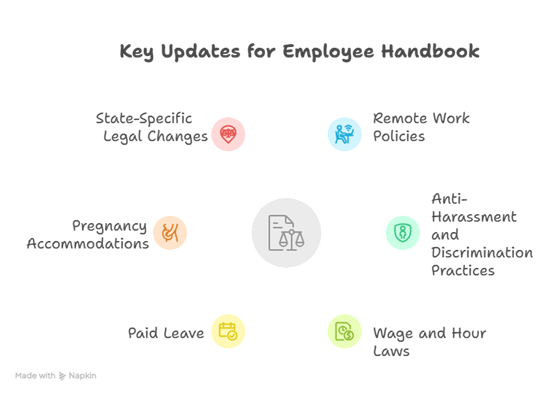
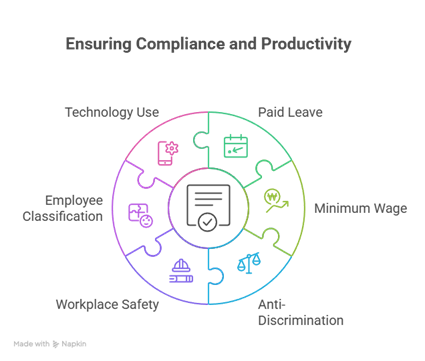


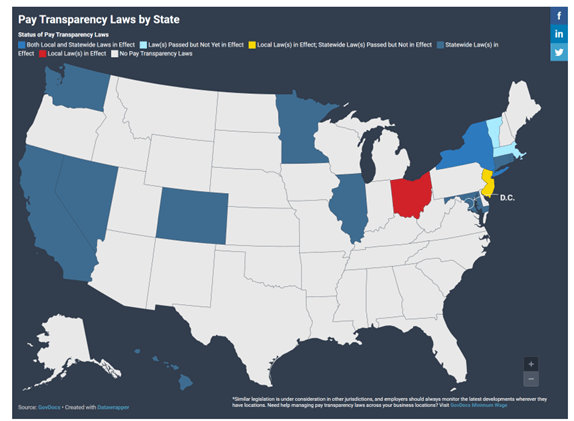

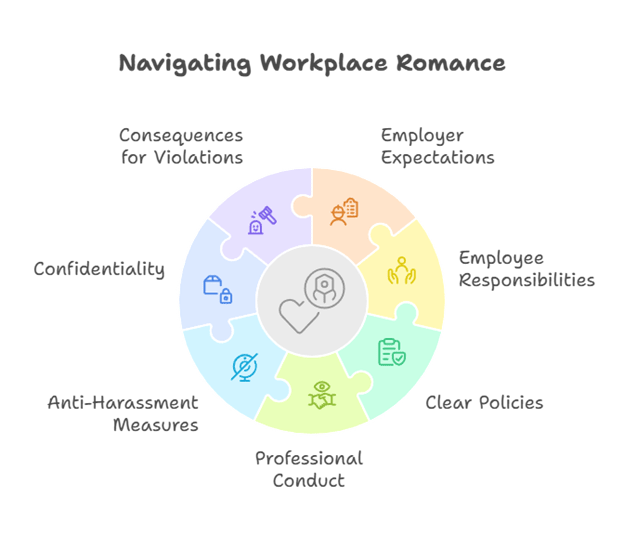
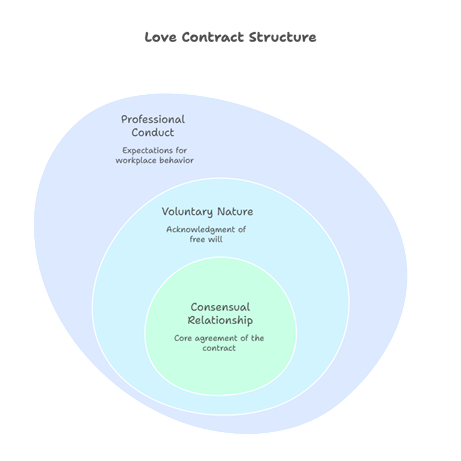

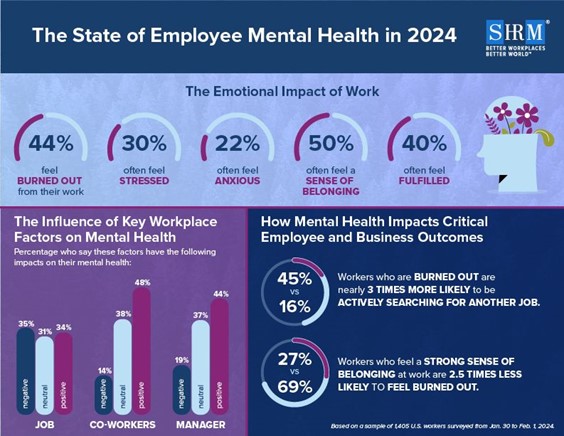

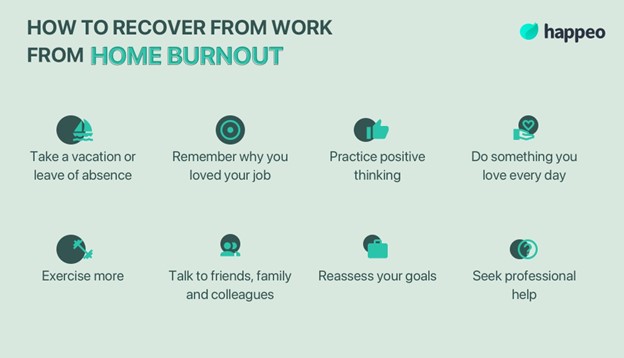


 BURR CONSULTING, LLC